

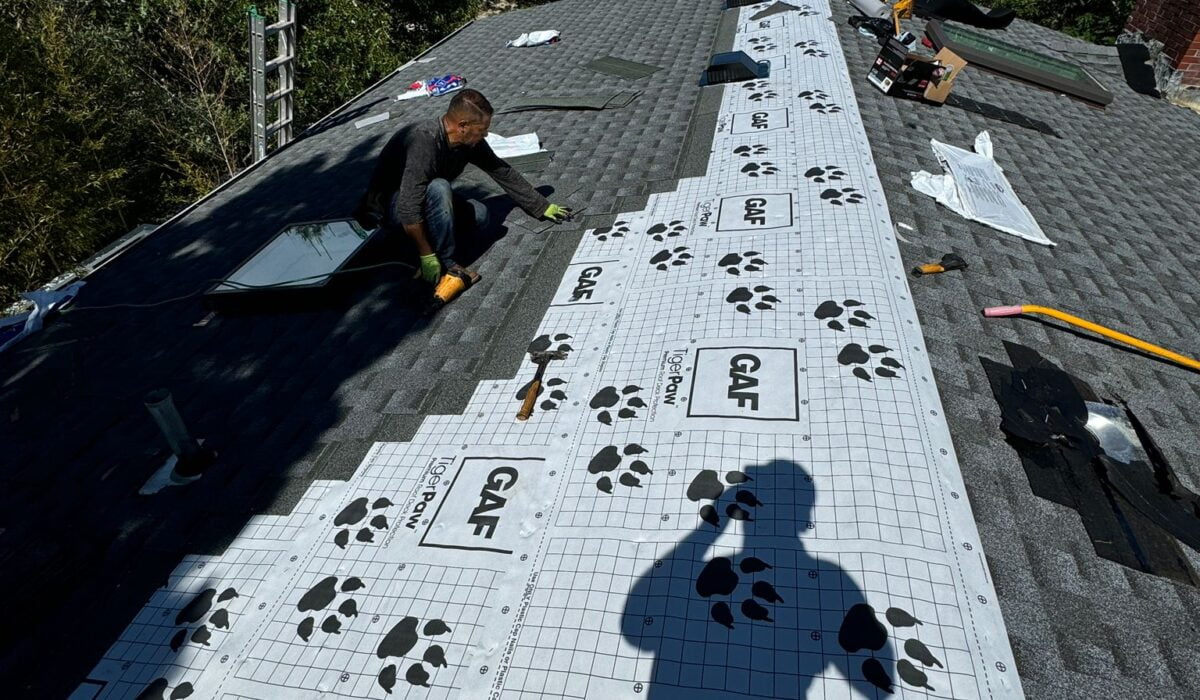
Roof flashing plays a major role in keeping your home dry. It protects the roof areas where leaks often begin. These areas include chimneys, skylights, vents, roof valleys, dormers, walls, and roof edges. Shingles protect the main roof surface, but flashing protects the vulnerable spots.
Sag Harbor homes face weather that can wear down roof materials over time. Heavy rain, strong wind, snow, ice, humidity, and salt air can all affect flashing. Even a small gap can let water enter the roof system. Once water gets inside, it can damage wood, insulation, drywall, ceilings, and walls.
That is why quality roof flashing in Sag Harbor, NY matters. Strong flashing helps prevent leaks and protects your home from costly repairs. Golden Hands Construction helps homeowners with flashing repair, replacement, and installation. Their team can inspect your roof, find weak areas, and fix problems before they spread.
What Roof Flashing Does
Roof flashing directs water away from roof seams and openings. It seals the areas where the roof meets another surface. It also protects spots where pipes, vents, chimneys, or skylights pass through the roof.
Flashing helps stop water from slipping under shingles. It moves rainwater away from joints before it reaches the roof deck. This protects the attic, insulation, framing, ceilings, and interior walls.
Most flashing uses durable metal. Common materials include aluminum, galvanized steel, and copper. A roofer chooses the right material based on the roof type, home design, and local weather exposure.
Why Flashing Matters in Sag Harbor
Sag Harbor homes need strong roof protection because coastal weather can be tough. Rain can expose weak areas. Wind can push water under loose materials. Snow and ice can sit near roof seams and melt slowly. Salt air can also speed up corrosion on some metal parts.
Wind-driven rain can cause serious roof problems. During storms, rain may blow sideways into small gaps. Loose flashing around chimneys, vents, skylights, or roof edges can let water inside quickly.
Winter weather can also damage flashing. Snow melt can move toward valleys, edges, and roof joints. Ice can add pressure to weak areas. If flashing has cracks or gaps, water can move under shingles and reach the roof deck.
Quality flashing helps protect your home from these risks. Proper installation also helps your roof handle changing weather throughout the year.
Key Areas That Need Flashing
Chimneys
Chimneys create openings through the roof. Water can collect where the chimney meets the shingles. Step flashing and counter flashing help seal this area. They also guide water away from the joint.
Skylights
Skylights bring natural light into the home, but they also create roof openings. The area around the skylight needs tight flashing. A weak seal can allow water to leak around the frame. This can cause stains, drywall damage, and moisture problems inside.
Roof Valleys
Roof valleys form where two roof slopes meet. Water flows through these areas during rain and snow melt. Strong flashing helps keep water from moving under nearby shingles.
Vents and Pipes
Plumbing vents, exhaust vents, and pipe openings need flashing. These roof penetrations create small gaps. Flashing seals them and keeps rainwater out.
Dormers and Walls
Dormers and wall joints need careful protection. Water can run down siding and collect where the wall meets the roof. Flashing moves that water away from the seam.
Signs Your Flashing Needs Repair
Flashing problems often start small. Homeowners should watch for early warning signs. Water stains on ceilings or walls may point to a flashing leak. These stains may appear near chimneys, skylights, upper rooms, or exterior walls.
A musty smell in the attic can also signal hidden moisture. Water may soak insulation or wood before it reaches the living space. This means damage can start before you see a visible drip.
Rust or corrosion on flashing can show that the metal has weakened. Bent, lifted, or loose flashing can leave gaps where water can enter. Cracked or missing sealant around roof features also needs attention.
Damaged shingles near flashing may suggest a leak risk. Curled, loose, stained, or cracked shingles around chimneys, valleys, vents, or skylights may point to water damage.
Why Professional Flashing Installation Matters
Flashing must fit the roof correctly. Even strong material can fail when someone installs it poorly. Each piece must overlap the right way. Water should flow over the flashing, not behind it.
A professional roofer understands how water moves across a roof. They know how to install flashing around chimneys, skylights, valleys, vents, walls, and dormers. They also know how to fasten and seal each area without creating new leak points.
Poor installation can cause hidden leaks. Water may travel under shingles before it appears inside. By the time a ceiling stain shows up, the leak may have already damaged insulation or wood.
Professional installation gives the roof stronger protection. It also helps the finished roof look clean and properly built.
Flashing Repair vs. Flashing Replacement
Some flashing problems only need repair. A roofer may reseal a small gap, secure loose flashing, replace fasteners, or fix a damaged section. These repairs work best when nearby roof materials remain in good condition.
Other problems need replacement. Flashing with heavy rust, holes, cracks, poor installation, or repeated leaks may no longer protect the roof. Replacement may also make sense when nearby shingles or roof decking have damage.
A professional inspection can help homeowners choose the right solution. The roofer checks the flashing, shingles, roof deck, attic, and signs of moisture. Golden Hands Construction can inspect your roof and recommend the best repair plan for your home.
How Flashing Helps Prevent Roof Leaks
Many roof leaks begin near flashing. These areas face more water exposure because they include openings, seams, and changes in roof direction. Chimneys, skylights, vents, valleys, dormers, and walls all need extra protection.
Quality flashing directs water away from these weak points. It also helps block wind-driven rain during storms. This keeps water from reaching the attic, insulation, and interior walls.
Leak prevention protects the entire home. It helps prevent stained ceilings, damaged drywall, wet insulation, mold growth, and wood rot. It can also reduce the need for expensive repairs later.
For help with flashing damage, roof leaks, and other roofing concerns, Golden Hands Construction offers trusted roof repair services for local homeowners.
The Risk of Ignoring Flashing Problems
A small flashing issue can turn into major damage. Water only needs a tiny opening to enter the roof system. Once it gets inside, it can spread through wood, insulation, drywall, and framing.
Moisture can rot roof decking. It can weaken rafters and damage areas around chimneys, skylights, and valleys. It can also reduce insulation performance. This may affect comfort inside the home.
Interior damage can become costly. Water can stain ceilings, peel paint, soften drywall, warp trim, and damage floors. Mold can also grow in damp hidden spaces.
Fast repair helps prevent these problems. Fixing a loose flashing section often costs less than repairing major water damage. Homeowners should treat flashing problems as urgent, even when the issue looks small.
Choosing the Right Flashing Materials
Roof flashing comes in several materials. Aluminum is lightweight and resists corrosion when coated properly. Galvanized steel offers strength and durability. Copper lasts a long time and gives the roof a distinct look, though it often costs more.
The best material depends on the roof type, home style, budget, and weather exposure. In Sag Harbor, flashing should stand up to rain, wind, snow, ice, salt air, and seasonal temperature changes.
A roofing professional can recommend the right material for your home. They can also install it in a way that supports long-term roof performance. Good materials and proper installation work together to protect your home.
When to Schedule a Flashing Inspection
Homeowners should schedule a flashing inspection after major storms. Strong wind and heavy rain can loosen flashing or damage shingles. An inspection can catch small issues before they become leaks.
Older roofs also need regular checks. Sealants can dry out. Fasteners can loosen. Metal can rust, bend, or separate from the surface. Routine inspections help keep the roof in better condition.
A flashing inspection also helps before buying or selling a home. Roof problems can affect home value and buyer confidence. Finding and fixing flashing issues early can prevent stress later.
Call a roofer when you notice ceiling stains, damp smells, missing shingles, visible rust, or damage near chimneys and skylights. These signs may point to flashing failure or another roof issue.
Why Choose Golden Hands Construction
Golden Hands Construction helps Sag Harbor homeowners protect their homes with dependable roofing service. Their team understands how Long Island coastal weather affects flashing, shingles, gutters, and other roof parts.
The company focuses on careful inspections and clear communication. Their team looks for the source of the problem and recommends a practical solution. This helps homeowners make confident decisions about their roof.
Whether your home needs flashing repair, flashing replacement, roof leak repair, or a full inspection, Golden Hands Construction can help. Their goal is to protect your home from water damage and improve roof performance.
Protect Your Home With Quality Roof Flashing in Sag Harbor, NY
Roof flashing protects the areas where water is most likely to enter your home. Chimneys, skylights, vents, valleys, dormers, walls, and roof edges all need strong flashing.
When flashing fails, leaks can develop quickly. Water can damage ceilings, walls, insulation, wood framing, and personal belongings. It can also lead to mold, rot, and costly repairs.
Homeowners who need quality roof flashing in Sag Harbor, NY can count on Golden Hands Construction for reliable roofing solutions. Their team can inspect your roof, repair damaged flashing, replace worn materials, and help prevent future leaks. To learn more, visit their roof repair services page today.


