

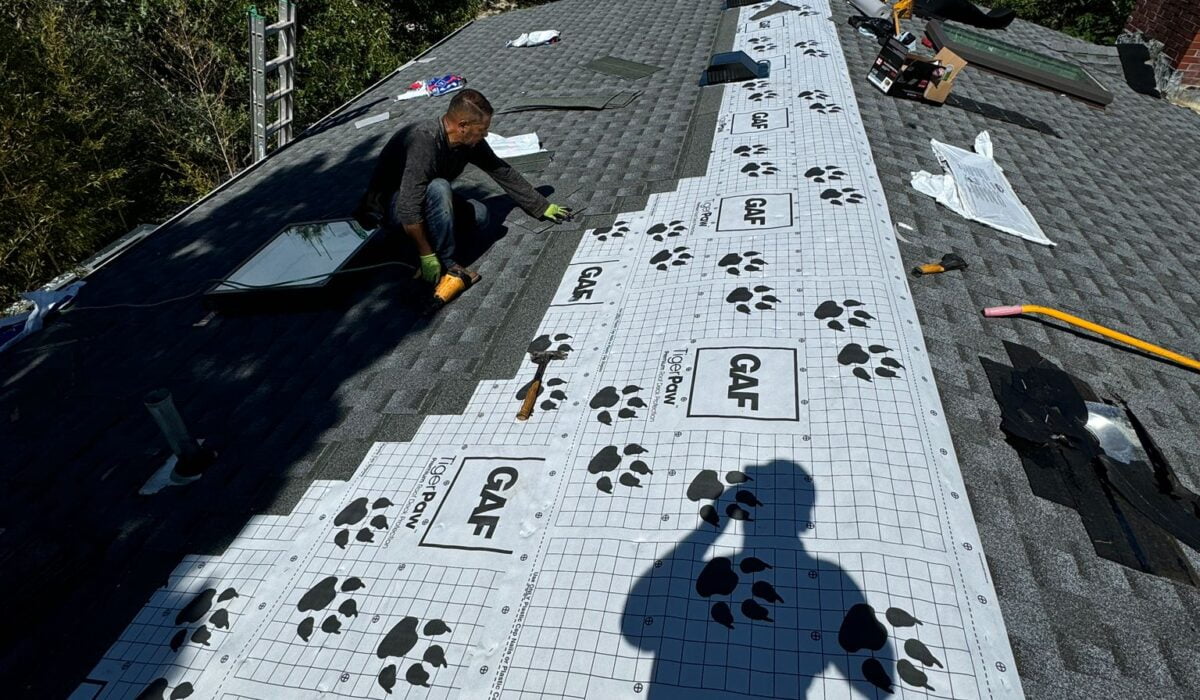
Roof flashing plays a critical role in protecting your home from water damage. It seals the vulnerable parts of your roof where water often enters first. These areas include chimneys, skylights, vents, roof valleys, dormers, walls, and roof edges. Shingles protect the broad surface of your roof. Flashing protects the joints and openings.
In Sagaponack, coastal weather can wear down roof materials over time. Heavy rain, strong winds, humidity, snow, ice, and salt air challenge every roof. Even a small flashing gap can let water into the roof system. Once water gets inside, it can damage insulation, wood framing, ceilings, and walls. That is why quality roof flashing in Sagaponack, NY matters.
Golden Hands Construction offers professional flashing installation, repair, and replacement services. Their team protects roofs and prevents water damage before it spreads.
What Roof Flashing Does
Roof flashing keeps water out of the roof system. It seals roof intersections and openings. Flashing directs water away from seams and joints. This helps protect:
- Attic insulation
- Roof decking
- Ceiling surfaces
- Interior walls
Flashing also seals roof penetrations created by vent pipes, exhaust vents, and skylights. These spots cannot rely on shingles alone for protection.
Most flashing uses durable metal. Common materials include aluminum, galvanized steel, and copper. Roofers select the right material based on roof type, home design, and local weather conditions.
Why Flashing Matters in Sagaponack
Sagaponack homes deal with coastal weather year‑round. Heavy rainstorms bring large amounts of rainwater. Strong winds can push rain sideways into small gaps. Snow and ice can sit on the roof and melt near seams. Salt air can speed up corrosion on metal components.
Wind‑driven rain can force water into tiny gaps around roof features. Loose or damaged flashing allows water inside before you ever see a stain. Temperature changes also stress flashing over time. Heat and cold make materials expand and contract. Sealants can dry out. Fasteners may loosen.
Proper flashing and installation help your roof handle these challenges. Strong flashing gives your home better long‑term protection from leaks.
Roof Areas That Need Flashing
Chimneys
Chimneys create large openings through the roof. Flashing seals the joint between the chimney and shingles. Step and counter flashing help guide water away.
Skylights
Skylights sit inside roof openings. Water can enter around the frame if flashing fails. Proper flashing prevents leaks and interior damage.
Roof Valleys
Roof valleys form where two roof slopes meet. Water runs quickly through valleys. Flashing must keep water from moving beneath shingles.
Vents and Pipes
Every roof penetration needs flashing. Plumbing vents, exhaust vents, and pipes all create small gaps that must be sealed.
Dormers and Walls
Where walls meet the roof, water can run down and collect at seams. Flashing redirects that water before it reaches interior spaces.
Signs Your Flashing Needs Repair
Flashing problems can start small but lead to big issues. Watch for these early signs:
- Water stains on ceilings or walls
- Musty smells in the attic
- Rust or corrosion on metal flashing
- Loose, lifted, or bent flashing
- Cracked or missing sealant
- Damaged shingles near flashing areas
These signs may appear after storms or develop slowly over time. Detecting problems early helps avoid major damage later.
Why Professional Flashing Installation Matters
Flashing must fit the roof correctly to work well. Even strong materials fail when installed poorly. Each piece must overlap properly. Water must flow over flashing and away from the roof.
A professional roofer understands how water travels across the roof. They know how to place flashing around chimneys, skylights, vents, valleys, dormers, and walls. They also apply sealants and fasteners to maintain a strong, waterproof seal.
Poor installation can cause hidden leaks. Water may run beneath shingles before it reaches the interior. By the time you spot a ceiling stain, the damage may already affect insulation or framing.
Professional installation ensures your roof gets strong, lasting protection and a polished look.
Flashing Repair vs. Flashing Replacement
Not all flashing problems need full replacement. Small issues may be fixed with targeted repairs. Roofers can:
- Reseal small gaps
- Secure loose flashing
- Replace worn fasteners
- Patch damaged sections
These repairs work well when surrounding roof materials remain sound.
However, heavy rust, large cracks, repeated leaks, or old flashing may need full replacement. Replacement also makes sense when nearby shingles or roof decking show wear.
A professional inspection helps homeowners choose the best solution. Golden Hands Construction inspects flashing and recommends the right path based on your roof’s condition.
How Flashing Prevents Roof Leaks
Many roof leaks begin near flashing because these areas face the most water exposure. Flashing directs water away from weak points. It also helps block wind‑driven rain during storms.
Good flashing prevents water from entering beneath shingles and reaching attic spaces. Stopping leaks early protects:
- Ceiling surfaces
- Drywall
- Attic insulation
- Wood framing
Proper flashing also helps reduce mold risk and reduces the need for expensive repairs later.
If you already have a leak, flashing should be one of the first areas inspected. Water often travels across wood, insulation, or drywall before it shows up inside. A roofing professional can trace moisture to its source and fix it correctly.
For trusted help in Sagaponack, homeowners can turn to Golden Hands Construction’s professional roof repair services.
The Cost of Ignoring Flashing Problems
A small flashing issue may seem minor at first. But water needs only a tiny gap to enter the roof system. Once water gets inside, it can spread through wood, insulation, drywall, and framing.
Moisture can rot roof decking. It can weaken rafters and damage areas around chimneys, skylights, vents, and valleys. It can also reduce insulation performance, affecting comfort inside your home.
Interior damage can become costly. Water can stain ceilings, peel paint, soften drywall, warp trim, and damage flooring. Mold can grow in damp hidden spaces, creating health concerns.
Fixing loose flashing or sealing small gaps early often costs far less than repairing widespread water damage. Treat flashing problems with urgency before they worsen.
Choosing the Right Flashing Materials
Roof flashing comes in several durable materials:
- Aluminum: Lightweight and resists corrosion when coated
- Galvanized Steel: Strong and durable
- Copper: Long‑lasting and attractive, though more expensive
The best material depends on your roof type, home design, budget, and weather exposure. In Sagaponack, corrosion resistance matters. Flashing must withstand moisture, wind, salt air, and changing temperatures.
A roofing professional can recommend the right material for your home. They can also install it to support long‑term roof performance. Quality materials plus expert installation deliver lasting protection.
When to Schedule a Flashing Inspection
You should schedule a flashing inspection:
- After major rainstorms or high winds
- After snow or ice events
- Before buying or selling a home
- If you notice interior stains or attic moisture
- As part of routine roof maintenance
Older roofs especially benefit from regular flashings checks. Sealants dry out with age. Fasteners can loosen. Metal can rust or bend. Routine inspections catch problems before they become leaks.
Homeowners should call a roofer when they notice:
- Ceiling stains
- Musty attic smells
- Missing shingles
- Rusted flashing
- Damage near chimneys or skylights
These signs may point to flashing failure or another roof issue.
Why Choose Golden Hands Construction
Golden Hands Construction provides trusted roofing solutions for Sagaponack homeowners. Their team understands how local weather affects roof materials. They know how rain, wind, salt air, snow, and coastal humidity can stress your roof over time.
The company focuses on careful inspections, clear communication, and dependable workmanship. They identify the root of the problem and recommend the right solution. This helps homeowners make confident decisions about their roof.
Whether your home needs flashing repair, flashing replacement, roof leak repair, or a full inspection, Golden Hands Construction can help. Their goal is to protect your home and enhance your roof’s long‑term performance.
Protect Your Home With Quality Roof Flashing in Sagaponack, NY
Roof flashing protects the areas where water is most likely to enter your home. Chimneys, skylights, vents, roof valleys, dormers, walls, and roof edges all need strong flashing to work properly.
When flashing fails, leaks can develop quietly and quickly. Water can damage ceilings, walls, insulation, wood framing, and personal belongings. It can lead to mold, rot, and costly repairs.
Homeowners who need quality roof flashing in Sagaponack, NY can count on Golden Hands Construction for reliable roofing solutions. Their team can inspect your roof, repair damaged flashing, replace worn materials, and help prevent future leaks. To learn more, visit their roof repair services page today.


