

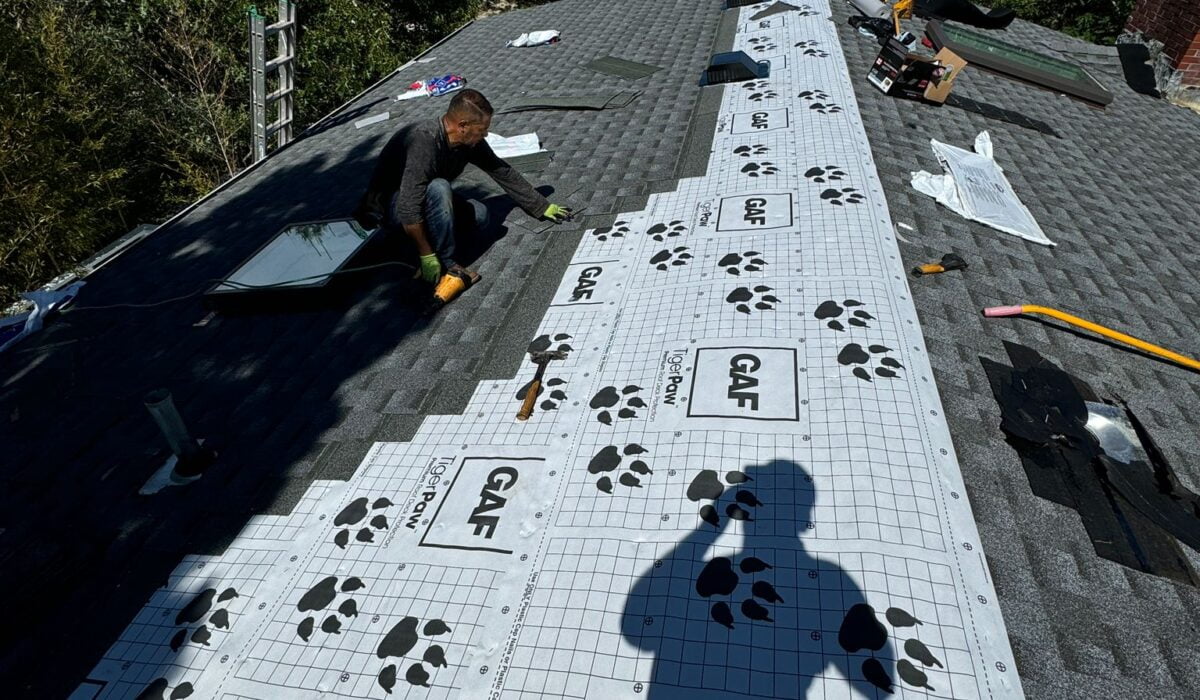
Roof flashing may not be the most visible part of your home’s roof, but it plays one of the most critical roles in protecting it from water damage. Flashing acts as a shield against leaks at roof intersections, edges, and openings. When it works well, water flows safely off the roof. When it fails, even a small storm can lead to big problems inside your home.
For homeowners in Water Mill, NY, quality roof flashing is essential. The local weather—salt air, coastal storms, heavy rain, and seasonal wind—can weaken roofing materials over time. Flashing must meet these demands, or water may find its way into your attic, walls, and ceilings. That’s why quality roof flashing in Water Mill, NY matters for every home.
Golden Hands Construction helps homeowners protect their roofs with professional flashing installation, repair, and replacement. They offer dependable work that strengthens the roof and helps prevent costly leaks.
What Roof Flashing Does
Roof flashing is typically made of durable metal. Its job is simple but vital: seal areas where water could enter the roof system. Shingles cover most of the roof, but shingles alone cannot fully protect joints, roof protrusions, or transitions. These vulnerable points need flashings, such as:
- Chimney edges
- Skylight perimeters
- Roof valleys
- Dormers
- Vent and pipe openings
- Walls that meet the roof
Flashing creates a water-tight barrier in these spots. Properly installed flashing directs rainwater away from weak points, so it does not reach the roof deck or interior spaces.
Without effective flashing, water can reach the roof deck, attic insulation, structural wood, and interior walls. This can cause rot, mold growth, stains, and structural damage—even if the leak is small at first.
Why Flashing Matters in Water Mill, NY
Water Mill homes face a unique set of weather challenges. Coastal conditions—including salt-laden air, humidity, and strong breezes—can weaken materials over time. Heavy rainstorms and seasonal weather swings can push water into places where the roof is most vulnerable.
Wind-driven rain doesn’t always fall straight down. It can blow sideways into small gaps around roof features. If flashing isn’t secured tightly, water gets underneath and spreads quickly.
Salt air can also accelerate corrosion. Some metals break down faster when exposed to moisture and salt, especially if they lack proper protective coating. Over time, rusty flashing loses strength and can allow water to seep through cracks and holes.
Because of these conditions, Water Mill homeowners need professional flashing that stands up to local weather.
Common Roof Areas That Require Flashing
Flashing is required wherever the roof surface changes or has a penetration. Some of the most common areas include:
Chimneys
Chimney flashing seals the space where the chimney meets the roof. Without it, water can collect and move under shingles, leading to stains or leaks inside the home.
Skylights
Skylights create openings in the roofing surface. Flashing around skylights must seal tightly to prevent gaps where water could enter.
Roof Valleys
Roof valleys are low areas where two roof slopes meet. Water flows quickly through valleys during rain. Flashing here must be strong and correctly installed to keep water out.
Vents and Pipes
Every vent or pipe that pokes through the roof needs flashing. These small openings may seem minor, but water can enter quickly if the flashing seal fails.
Dormers and Wall Roof Intersections
Where vertical walls meet the roof surface, water can run down and collect if not flashed properly. Flashing helps divert this water before it seeps into siding or interior walls.
Signs Your Roof Flashing Needs Attention
Flashing problems can be subtle at first, but several signs suggest it’s time for inspection or repair:
- Water spots or stains on ceilings or interior walls
- Musty smells, especially near the attic
- Missing or cracked sealant around roof features
- Rust or corrosion on metal flashing
- Lifted, bent, or loose flashing pieces
- Damaged or missing shingles around flashing areas
These signs may show up after a storm, heavy rainfall, or over time due to wear. Addressing them early can prevent leaks from worsening.
Professional Flashing Installation Matters
Quality flashing installation makes a big difference. Even the best flashing materials cannot work well if they are installed incorrectly. The flashing must sit flush with roof surfaces, overlap correctly, and tie into roofing materials so water flows off the roof cleanly.
A professional roofer knows how water moves on the roof. They know where flashings must be placed and how to seal edges so water does not find its way behind the metal. They also understand which materials suit different roof styles—whether it’s asphalt shingles, metal roofing, or cedar shakes.
Poor installation may look fine at first glance but can allow water to enter hidden spaces. Water may travel along roof decking or insulation before appearing inside the home. By then, the damage may have spread.
Professional flashing ensures a tight, durable seal. It provides long-term protection and reduces the need for repeated repairs.
Flashing Repair vs. Replacement
Not all flashing issues require full replacement. Smaller leaks may stem from loose fasteners, failed sealant, or minor gaps. In these cases, a roofer may be able to:
- Reseal flashing edges
- Add new fasteners
- Tighten or adjust loose flashing
- Replace a small section
These focused repairs can be effective when flashing is still in generally good condition.
However, major damage like heavy rust, large cracks, or widespread failure often means the flashing must be replaced. Replacement may also make sense when flashing repeatedly leaks despite repairs.
A trained roof inspector can assess the flashing and recommend the best approach. Golden Hands Construction offers thorough inspections to determine whether repair or replacement provides the best long-term protection.
How Flashing Helps Prevent Roof Leaks
Water leaks often start near flashing because those areas have the highest risk. Flashing helps keep water out of vulnerable spots before it can enter under shingles or roofing material.
Good flashing prevents water from:
- Entering under shingles during rainstorms
- Reaching roof decking and insulation
- Soaking attic wood and insulation
- Damaging ceilings, walls, and interior finishes
- Causing mold growth
When flashing does its job, the entire roof system performs better and lasts longer.
If you already have a leak, flashing should be one of the first areas inspected. Many leaks trace back to flashing gaps, failed seals, or loosened metal.
For trusted roofing solutions that include flashing work, Water Mill homeowners can rely on Golden Hands Construction’s professional roof repair services.
The Cost of Ignoring Flashing Problems
It’s easy to overlook flashing until you see a stain inside the home. But even small flashing issues can lead to major damage over time.
Water that enters through a flashing gap can:
- Rot roof decking and rafters
- Damage attic insulation
- Affect drywall and interior finishes
- Increase energy costs
- Lead to mold growth
Repairing interior damage often costs more than fixing the flashing itself. For this reason, homeowners should treat flashing issues as a priority—even if the problem looks minor.
Early action can prevent interior damage, increase the roof’s lifespan, and save money in the long run.
Choosing the Right Flashing Materials
Roof flashing comes in several materials, each with its strengths:
- Aluminum – Lightweight and corrosion resistant when coated
- Galvanized steel – Strong and durable for many applications
- Copper – Long-lasting with a distinctive look, though it costs more
The best material depends on your roof type, local weather conditions, and budget.
In coastal areas like Water Mill, materials that resist corrosion and salt exposure make sense. A roofing professional can help you choose the right type and ensure it integrates correctly with your roof design.
When to Schedule a Flashing Inspection
You should inspect your flashing at least once a year—or after any major weather event. Storms, high winds, or heavy rain can loosen flashing or expose weak spots.
Regular flashing checks are especially important if:
- Your roof is older
- You’ve noticed interior stains or damp smells
- You see signs of corrosion
- You plan to sell your home
A professional inspection not only checks the flashing but also looks for hidden signs of water intrusion.
Why Choose Golden Hands Construction
Water Mill homeowners trust Golden Hands Construction for reliable roofing services. Their team understands how local weather affects roofs and flashing. They focus on careful inspection, clear communication, and quality solutions that protect homes from water damage.
Whether your roof needs repair, flashing update, or a full inspection, Golden Hands Construction offers experienced service with long-term results.
Protect Your Home With Quality Roof Flashing in Water Mill, NY
Roof flashing plays a key role in preventing leaks and protecting your home from water damage. It keeps water away from vulnerable spots, strengthens your roof system, and helps prevent costly repairs down the road.
If you need quality roof flashing in Water Mill, NY, Golden Hands Construction can help. Their team inspects your roof, finds the source of the issue, and provides durable solutions. To learn more about their services and roofing support, visit their roof repair services page today.


