

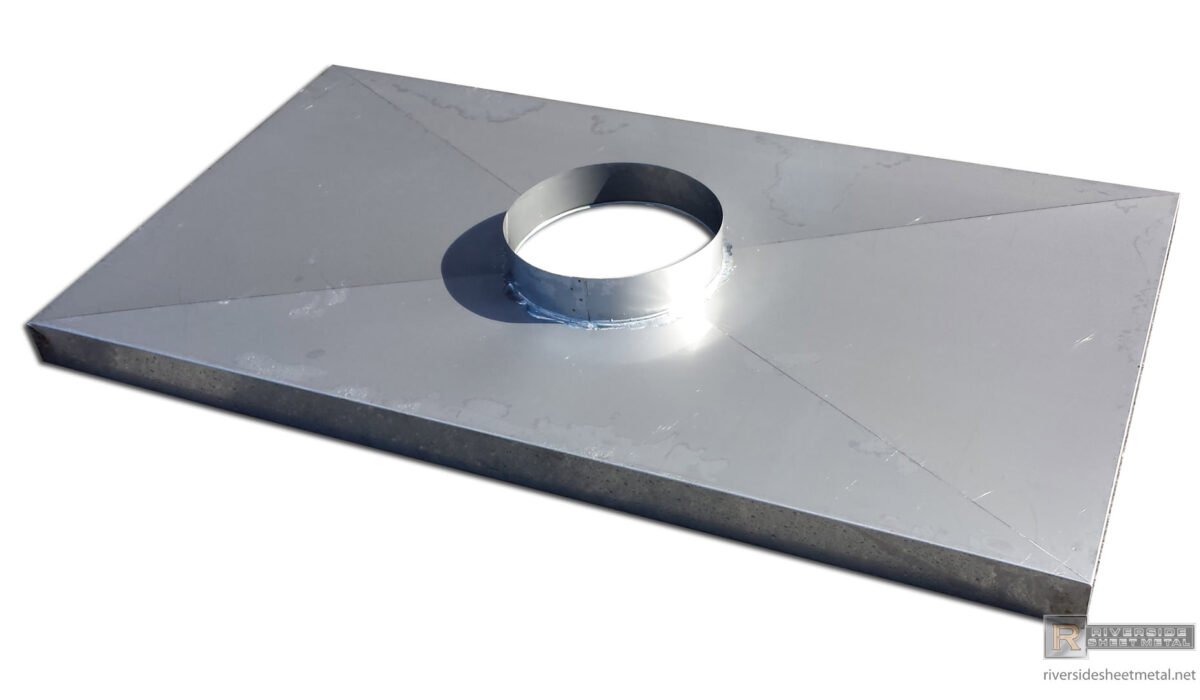
Rust stains on a chimney chase cover can signal corrosion that deserves a closer look. Orange streaks on the outside of a chimney enclosure may start as a surface problem, but color alone cannot tell you whether the metal still keeps water out. An inspection should check the cover, its connections, and the materials below it before anyone recommends a repair or replacement.
For Long Island homeowners, the useful question is whether the staining comes from a sound surface or a failing part. Cleaning away the marks may improve the appearance without fixing the cause. Finding where the rust starts helps you choose work that addresses the problem and avoids paying for a cosmetic fix twice.
What a Chimney Chase Cover Does
A chimney chase is an enclosure around a chimney system, often finished with siding. The chase cover is the metal piece across its top. It helps shed rain while allowing the chimney pipe to pass through the designed opening. Not every chimney uses this arrangement. A masonry chimney may instead have a crown, so identifying the construction comes first.
A chase cover and a chimney cap serve different roles. The cover protects the top of the enclosure, while the cap or termination sits at the chimney outlet. Replacing one does not automatically correct defects in the other. When discussing an estimate, ask the contractor to label the parts in photographs so you understand what the proposed work includes.
Why Rust Marks Need a Closer Look
Corrosion can affect the cover itself, fasteners, or nearby metal components. Rain can carry rust-colored residue down the enclosure, leaving a stain below its source. A streak therefore gives the inspector a place to investigate rather than a complete diagnosis. The metal may have surface corrosion, or it may have deeper damage that is harder to see from the ground.
Photograph the marks from a safe location and record when you first noticed them. If the staining has spread, take another photograph from the same angle. These records can help explain the change. Avoid climbing onto the roof to test the metal or scraping at a part you cannot safely reach.
Signs That Make an Inspection More Urgent
Visible holes, loose edges, displaced components, or water appearing inside the home deserve prompt attention. Damp finishes near the chase also warrant investigation. However, staining alone does not prove that the cover is the only entry point. Water may enter through another connection and travel before it becomes visible.
The Chimney Safety Institute of America’s factory-built fireplace inspection checklist notes that water entering through a chase pan may call for further investigation of moisture damage. That is why an inspection should consider what lies beneath a damaged cover, rather than stopping at the visible metal.
What the Contractor Should Check
Ask for an assessment of the cover’s condition, fit, attachments, and connections around the chimney opening. The inspection should also consider the termination and surrounding enclosure. The goal is to determine which parts have deteriorated and whether water has affected accessible materials below them. Concealed areas may need further investigation if the visible findings raise concerns.
Golden Hands Construction offers chimney inspection services for Long Island homes. Share photographs of the stains and explain whether you have noticed indoor moisture. Ask the contractor to distinguish confirmed defects from areas that still need checking. Clear findings make an estimate easier to assess.
When Repair May Be Enough
A limited defect may allow a targeted repair if the surrounding metal remains sound and the proposed method suits the chimney system. The decision should follow the condition of the part, not just its age or appearance. Ask what the repair will correct and whether any remaining corrosion could affect its performance.
A coating or sealant should not be presented as a cure for every damaged cover. If the metal has holes, extensive deterioration, or an unsuitable shape, the contractor should explain whether replacement offers a more complete solution. You should also know whether the estimate includes any damaged material underneath.
What to Ask About a Replacement Cover
When replacement is recommended, ask for the proposed metal, dimensions, and installation details in writing. The new cover needs to suit the enclosure and chimney system. A part that looks attractive from the yard still needs correct connections and a suitable arrangement around the pipe.
Golden Hands Construction’s chimney chase cover service includes repair and replacement. Ask which option the inspection supports and why. If the contractor recommends a different material, request a plain explanation of its benefits, maintenance needs, and any written warranty. Avoid assuming that a material name alone guarantees a particular lifespan.
Why Other Chimney Parts Still Matter
A chase cover is one part of the weather protection around a chimney. Flashing at the roof connection can also require attention. The Chimney Safety Institute of America explains the role of flashing in keeping rain out where the roofing meets the chimney. An inspection should account for that connection when the location of a leak makes it relevant.
This does not mean every rust stain requires several repairs. It means the findings should connect the symptom to the actual defect. Ask for photographs and an explanation before agreeing to additional work. A useful estimate separates necessary repairs from optional improvements.
Deal With the Cause Before Cleaning the Stain
Once the source has been corrected, discuss how to clean the affected siding or finish. The cleaning method should suit that material. Removing stains first can make it harder to track changes, so retain photographs before any cosmetic work begins. Monitor the area afterward and report new streaks or moisture.
If your chimney enclosure has rust marks, a damaged top cover, or unexplained water staining, contact Golden Hands Construction to arrange an assessment for your Long Island home. A clear inspection can help you decide whether the cover needs repair, replacement, or further investigation below it.


