

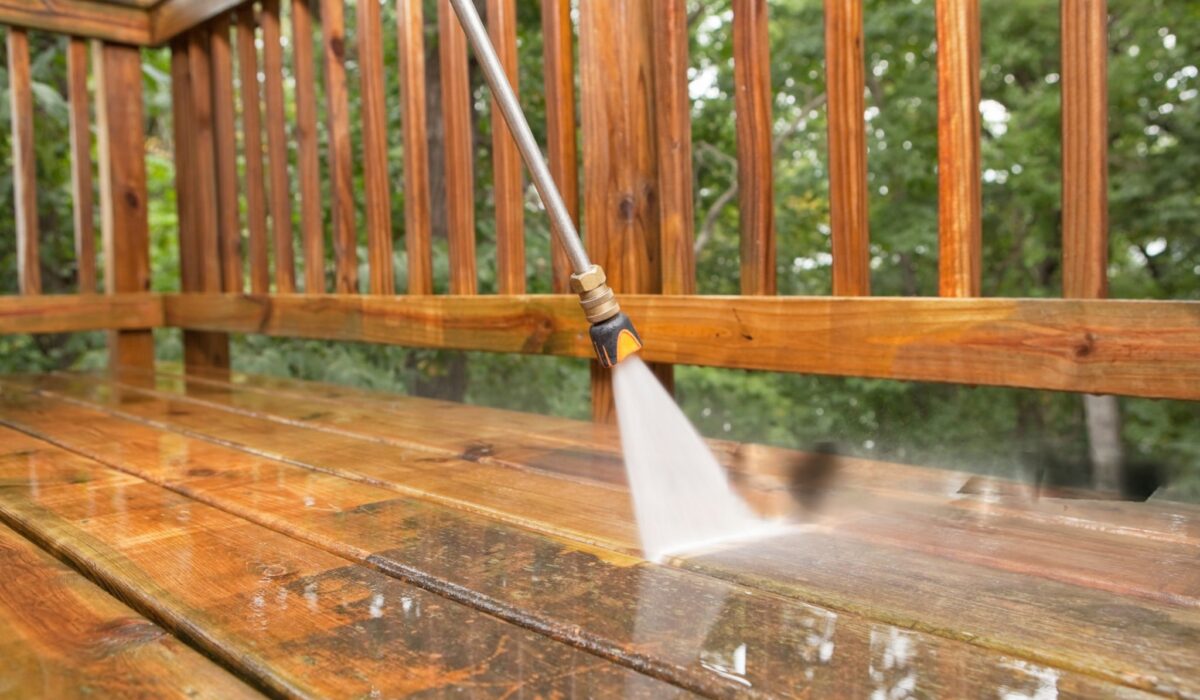
Deck power washing in Fishers Island can help remove the dirt and surface buildup that make an outdoor space less inviting. The job starts well before water reaches the boards, though. The deck’s material, its existing finish, access to the property, and any repairs all affect how it should be cleaned.
The current article suggests that washing will preserve a deck’s structural integrity, prevent expensive repairs, and increase a home’s value. Cleaning cannot guarantee those results. It can improve the appearance of a suitable surface and make wear easier to see. If boards, stairs, or railings are damaged, they need separate attention.
For a Fishers Island property, it also makes sense to settle scheduling and equipment questions early. The Fishers Island Ferry District provides island transportation and publishes information for vehicles and freight. Ask a contractor to confirm that the proposed service, travel arrangements, equipment, and estimate work for your property before setting a date. Do not assume that a company serving Long Island can bring a crew and equipment to every island address on the same terms.
Decide What You Want the Cleaning to Accomplish
Homeowners ask for deck washing for different reasons. You may want to remove dirt before using the space more often, investigate dark areas that appear after rain, or prepare wood for a new finish. Explain your goal when requesting an estimate. It helps the contractor assess whether washing alone will meet it.
For example, a deck covered in loose dirt may look considerably cleaner after washing. A board that has faded in the sun will not regain its original color simply because it is washed. Marks beneath a long-standing planter may also remain visible if the surrounding wood has weathered differently. Setting expectations before work begins helps you judge the result fairly.
Walk the deck and note the areas you care about most. Check steps, corners, railings, and the space near doors as well as the open floor. If one patch stays slippery or discolored, mention it specifically. A clear description is more useful than requesting a “deep clean” without identifying the problem.
Find Out What the Deck Is Made Of
A suitable cleaning method depends on the surface. Bare wood, painted wood, stained boards, and composite decking may each need a different approach. The condition of the surface matters too. Sound boards with loose dirt present a different job from splintering boards with a failing coating.
If you have records from a deck installation or an earlier refinishing job, share them. Product information can help identify cleaning methods that the manufacturer allows. Trex, for example, gives different care instructions for its decking products; the fact that a deck is “composite” does not by itself establish which washing method is suitable.
The term power washing is often used broadly, but stronger water pressure is not automatically better. A concentrated spray can leave marks on wood or affect a vulnerable finish. Ask how the cleaning method will be chosen for your particular deck, especially if you do not know its material or coating.
Inspect the Deck Before Scheduling a Wash
Cleaning can reveal damage, but you do not need to wait until afterward to spot obvious concerns. Look for a board that shifts underfoot, a step that feels uneven, fasteners that stick up, or a railing that moves. Pay particular attention to places where water tends to sit and to boards hidden under outdoor furniture.
Tell the contractor about these conditions during the first conversation. A loose board may need securing or replacement before cleaning. A surface with widespread deterioration may need a broader assessment. Golden Hands lists deck repair among its services if the condition of the deck calls for that discussion.
Do not treat a brighter surface as proof that the deck is sound. Washing removes material from the surface; it does not test every connection or repair a structural problem. If you are uncertain whether an older deck is ready for normal use, ask for the condition to be assessed separately from the cleaning quote.
Plan the Work for an Island Property
Access is an important part of the estimate for Fishers Island. When contacting a company, give the property address and describe the deck’s size, location, and access. Mention narrow paths, stairs, gates, or other features that could affect moving equipment around the property. If no one will be present, agree in advance on how the crew would reach the deck and water supply.
Ask whether the company is able to take on work at your Fishers Island address and whether travel or transport changes the price or available dates. The Ferry District provides vehicle and freight information, but the contractor should make its own arrangements. A homeowner should receive a clear estimate that accounts for the actual job rather than discover an access charge afterward.
It also helps to discuss weather and timing. Washing outdoors requires workable conditions, and the deck needs time to dry. If you are arranging the work around a visit to the property or another home project, leave room for a weather-related change in schedule. If staining will follow, ask how its timing will be decided after cleaning.
What to Clarify in the Estimate
A written scope makes the job easier to understand. Confirm whether it covers only the walking surface or also stairs, railings, posts, and attached seating. Point out specific stains you want assessed. Ask whether cleaning products are planned and how adjoining surfaces and plants will be protected.
Discuss what you need to move before the crew arrives. Outdoor rugs, furniture, planters, and loose objects can block parts of the deck. Clearing them ahead of time lets the contractor see the entire surface and reduces the chance of leaving unwashed patches.
Some stains cannot be removed through ordinary washing. If you are concerned about a particular mark, ask whether the proposed method is likely to improve it. The answer may be uncertain until the surface is cleaned, but that is better than assuming every stain will disappear. If extra treatment or repair could be needed, have the contractor explain how that would be priced and approved.
Take Special Care With Painted Decks
A painted deck deserves a closer look when the coating is cracked, flaking, or of unknown age. Washing can disturb loose paint. Before arranging that work, tell the contractor about the coating and ask how debris would be handled.
The EPA’s guidance on pressure washing under its Lead Renovation, Repair and Painting Rule explains why containment can matter when covered painted surfaces are disturbed. Whether the rule applies depends on the property and work. The practical step for a homeowner is to raise an older or uncertain coating before anyone begins washing it.
If the main goal is to remove paint and refinish the deck, say that at the outset. It may be a different project from routine cleaning, with different preparation and disposal needs.
Allow the Surface to Dry Before Judging the Result
A wet deck can make colors and remaining marks difficult to assess. Once cleaning is complete, allow the surface to dry and then look at it in ordinary daylight. Check the areas you identified before the job, including steps and railings if those were part of the scope.
If you are considering a finish for a wood deck, drying is also part of the work plan. A fresh coating should not be scheduled simply because the washing crew has finished. Follow the product’s preparation and drying requirements, and ask whether the boards need any further work. Golden Hands also has a deck staining service if you want to discuss the next stage.
You may notice different shades across an older deck after the dirt is removed. That can reflect prior sun exposure, repairs, or an uneven old coating. Washing cleans the surface; it does not make every board identical.
Care for the Deck Between Professional Cleanings
The best time for another wash depends on what happens on your deck, not a fixed calendar rule. Check it periodically and remove leaves before they sit against the boards for long periods. Move planters and rugs from time to time so you can see what is happening underneath. Keep gaps clear where debris collects, and use a cleaning method appropriate for the deck material when handling small spills.
Notice patterns. If one corner is repeatedly damp, think about what shades it or where water comes from. If a dark mark returns beneath the same container, moving that container may help more than repeatedly washing the entire deck. Routine observation also gives you a chance to spot loose boards or railings while they are easier to address.
A well-kept deck does not have to look brand new to be enjoyable. The useful goal is a surface you can maintain, understand, and use with confidence in its condition.
Ask Golden Hands About a Fishers Island Deck
Golden Hands Construction offers deck power washing and other decking services on its website. For a Fishers Island property, begin by confirming service availability and travel arrangements. Then describe the deck material, access, stains, and any damaged areas so the company can discuss an appropriate scope.
Use the Golden Hands contact page or call (631) 877-8338 to ask about an estimate. If you have photos, include the full deck and the problem spots. That information can make the first conversation more useful, although the surface may still need an on-site assessment.


