

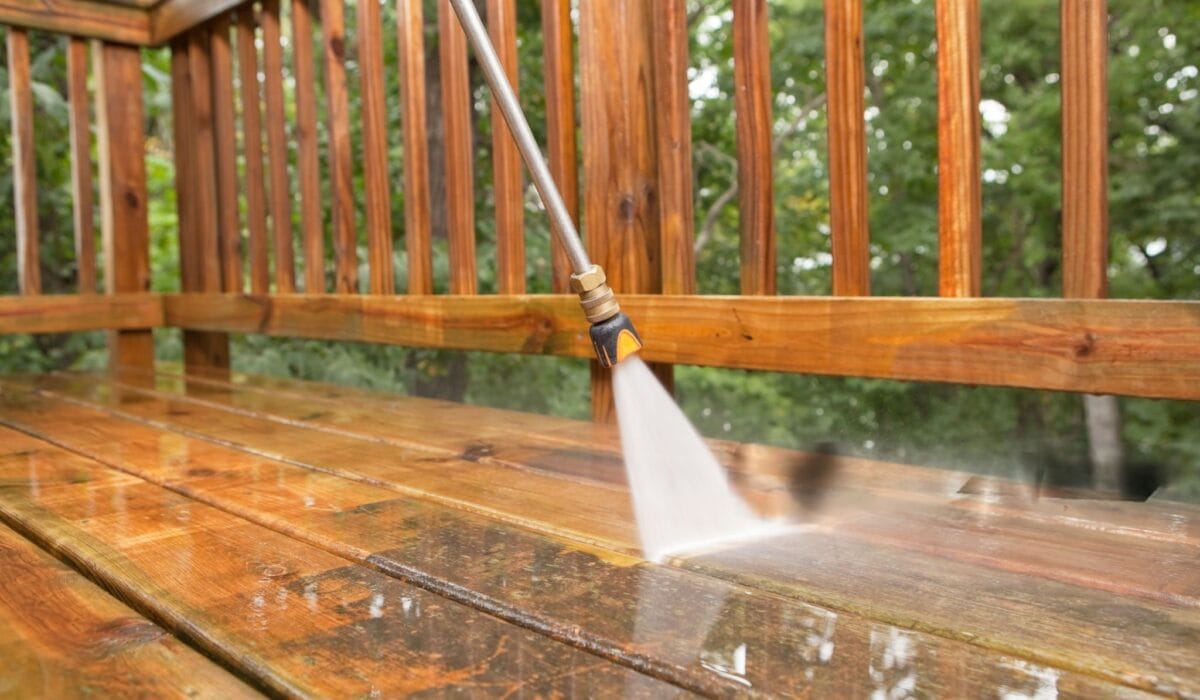
Deck power washing in East Marion can be a useful part of getting an outdoor space ready for use, especially when sweeping no longer clears the marks left by weather, leaves, and everyday activity. The key is knowing what washing can accomplish. It can remove suitable surface buildup and show you the deck’s condition more clearly. It cannot repair weakened boards or turn weathered wood back into new wood.
East Marion is a hamlet in the Town of Southold. Southold, NY – Official Website For a homeowner there, a practical deck care plan begins with the property itself: how much shade falls on the boards, where debris gathers, whether the deck has a coating, and how you intend to use it. A deck under trees may need different attention from one with little shade, even if both are the same age.
If you are considering a professional wash, use the change of seasons as an opportunity to inspect the deck and decide what work it actually needs.
Before the Outdoor Season, Take a Closer Look
It is tempting to judge a deck from the doorway. From there, a gray surface or a few dark patches may make the whole deck seem ready for power washing. Step outside and look at the details first. Are the marks spread across the boards, or are they concentrated under furniture? Have leaves collected between boards? Are the stairs dirty because they receive more foot traffic than the rest of the deck?
Move lightweight items so you can see the surface beneath them. Check the corners and edges that are easy to miss during ordinary sweeping. A rug or planter may have held moisture against one spot, while surrounding boards have faded in the sun. Washing can remove dirt, but it may leave that color difference visible.
Then check how the deck feels. Notice boards that move, steps that seem uneven, fasteners that protrude, or railings that shift. Those are reasons to discuss deck repair separately. Cleaning an unsafe area will make it look cleaner without correcting what is wrong.
Match the Work to the Type of Deck
The surface determines how it should be cleaned. Wood may be bare, stained, sealed, or painted. Composite products have their own care directions. A method suitable for one deck may leave marks or affect the finish on another.
Tell the contractor what you know about the decking material and any past work. If you kept the product name or finish container, have it available. If the deck came with the house and you do not know its history, that is useful information too. It signals that the surface needs to be examined before a cleaning method is chosen.
Power washing does not have to mean using the highest available pressure. Excessive force can roughen wood and make a previously even surface look striped. Worn coating may also lift during cleaning. The goal is to remove the buildup the surface can safely release, not to force every remaining mark away with water.
Pay Attention to the Places Dirt Returns
A deck may look clean immediately after a wash, yet develop the same dark areas again. When that happens, the surroundings deserve a look. Leaves may continue to fall into a corner. Water may drip from a planter, or a mat may keep one section from drying as quickly as the rest.
Take note of these patterns before the crew arrives. A photograph taken while the deck is dry can show where the marks are most visible. If one section becomes slick after rain, point it out and explain when it happens. This helps distinguish a general cleaning job from a recurring condition that may need a change in how the space is maintained.
After cleaning, small habits can help. Clear leaves before they remain in place for long periods, move planters occasionally, and check beneath rugs. These steps also make it easier to notice new wear instead of finding it after it has been hidden for months.
Preparing for a Professional Wash
A contractor needs access to the entire area included in the job. Ask whether you should move furniture, grills, pots, and rugs before the appointment. Let them know about narrow paths, a gate, or stairs used to reach the deck. If the property will be unoccupied, agree on access and the water supply in advance.
Explain which parts you expect to be cleaned. A quote for deck boards may not include railings, steps, or attached seating unless they are discussed. Point out nearby doors, siding, plants, and outdoor electrical fixtures so the work area can be planned carefully.
Ask what will happen if a stain does not respond to the initial cleaning method. Some marks call for separate treatment; others reflect a changed finish or weathered material and may remain. A clear conversation about those possibilities is more useful than a promise that every board will look identical afterward.
Think About Where the Wash Water Goes
A deck wash affects more than the boards. Water and loosened debris have to go somewhere, particularly when a deck sits above landscaping or next to another outdoor surface. Before work begins, discuss how runoff will be managed and whether any cleaner will be used.
Ask for the name or type of the proposed product if your deck needs one. Its suitability depends on the surface, the stains, and the surrounding area. Do not assume that a product described as “green” is automatically right for every plant, finish, or drainage condition. A contractor should be able to explain the choice and how adjoining areas will be protected.
If the deck has an old painted coating that is peeling, mention it before arranging a wash. The EPA provides guidance on pressure washing work that falls under its Lead Renovation, Repair and Painting Rule. The age of the property and nature of the work matter; loose paint should not be treated as ordinary dirt.
If Staining Is the Goal, Plan Both Stages Together
Many homeowners consider washing when a deck finish looks worn. Cleaning may be one part of preparing wood for a new stain, but the condition of the existing coating and boards determines what else may be needed. A rough surface, peeling finish, or damaged board will not be corrected simply by washing it.
Mention your staining plans when you request an estimate. Ask what preparation is included in the cleaning work and what would be part of a separate deck staining service. Discuss when the surface can be evaluated after drying and what product requirements would govern the next step.
This approach also helps avoid a rushed schedule. The time needed for a deck to dry changes with shade, weather, airflow, and material. The decision to apply a finish should be based on the surface being ready under the product instructions, not on a fixed number of hours promised before cleaning begins.
After Washing, Review the Deck in Daylight
Let the deck dry before deciding what the cleaning achieved. Wet boards can appear darker and hide color differences. Once dry, look again at the areas you identified during the initial inspection. Check whether debris remains near rail posts or between boards, and whether any original stains are still visible.
Remaining marks do not always mean the washing was incomplete. Some stains sit below the surface; older boards can weather unevenly. If a mark matters to you, ask what it is likely to be and whether another treatment is appropriate. Repeatedly applying stronger pressure to a stubborn patch can create a new problem without removing the stain.
This is also a good time to revisit repair needs. A cleaned surface may make cracks or worn boards easier to see. If the deck has extensive problems, ask whether a repair or deck replacement assessment makes more sense than further cosmetic work.
Make the Next Cleaning Decision Based on Condition
The current East Marion article recommends frequent washing as a broad rule. Your deck may need less or more routine attention depending on its material, setting, and use. Check it through the year rather than booking pressure washing solely because a date has come around.
Sweeping, clearing trapped leaves, and cleaning small spills with a method suitable for the material may be enough between deeper cleanings. Look for changes that simple care does not address: persistent surface film, stains across a large area, or buildup that makes the deck unpleasant to use. If the problem is a loose railing or damaged board, arrange the appropriate assessment instead of another wash.
Request Deck Power Washing in East Marion
Golden Hands Construction lists deck power washing among its decking services. To discuss an East Marion deck, provide its approximate size, material if known, areas of buildup, and any concerns about boards, stairs, or railings. Explain whether you want cleaning on its own or as preparation for staining.
Reach Golden Hands through its contact page or call (631) 877-8338 to request an estimate. A clear look at the deck and a defined scope will help establish what washing can reasonably do for the space.


