

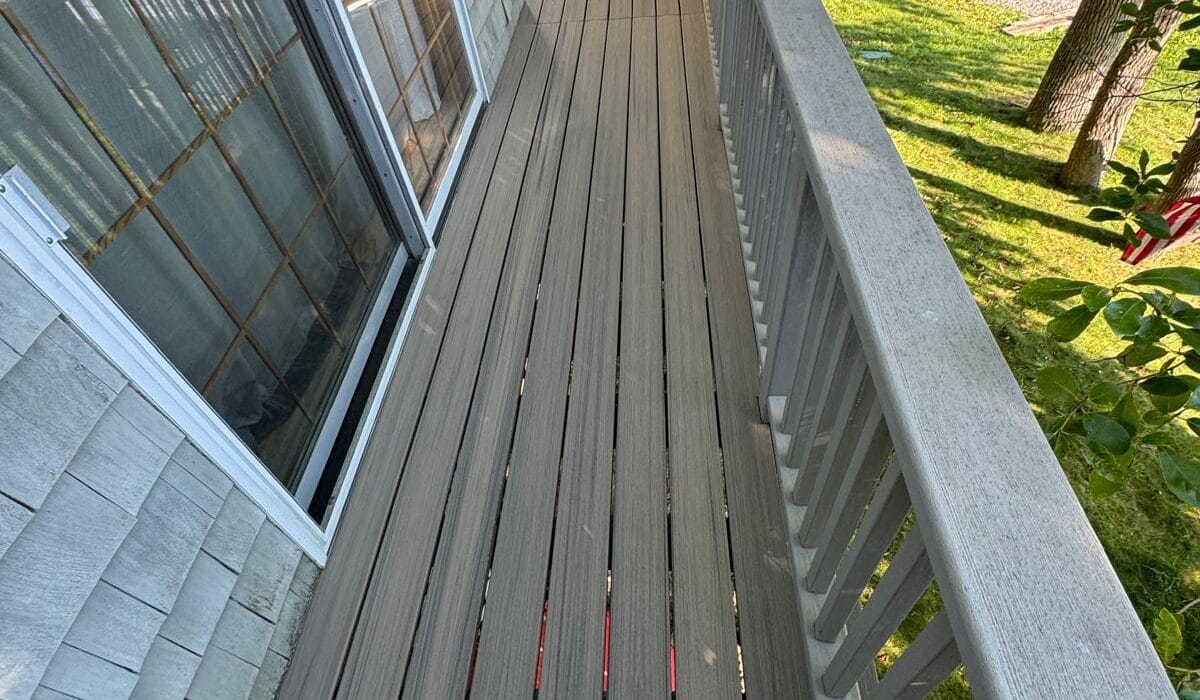
Deck replacement in Amagansett is a chance to solve the problems you notice every time you step outside. Maybe the stairs feel awkward, the boards need constant attention, or the space cannot hold your table and chairs comfortably. Before choosing a new color or material, decide what you want the deck to do and find out whether the existing structure can still support it.
A deck that looks weathered may need cleaning or repairs. A deck with widespread structural damage may need replacement. The difference matters. An inspection can show which parts have problems and help you choose a scope of work that fits the condition of your property.
Make a List of What Is Working
Even if you dislike your current deck, some parts of its layout may suit your home. Notice where you naturally step outside and which route you take into the yard. Think about whether the deck gets useful shade during the hours you spend there. Look at where you can sit without blocking a door or stair.
Keep those observations when you plan the replacement. You do not have to change every feature simply because you are building a new deck. A familiar location might work well with wider stairs or a more useful arrangement of boards and railings.
Now list what you want to improve. Perhaps the dining table sits too close to the doorway. Maybe guests have to cross a seating area to reach the yard. Clear examples give a contractor more to work with than a general request for a “better deck.”
Check the Structure Before Discussing Finishes
Surface boards receive the most attention, but they cannot tell you whether the whole deck is sound. Ask a contractor to assess the accessible supports, framing, stairs, railings, and connections. Point out any spot that moves or feels different underfoot.
Look for recurring signs of trouble. Do boards keep coming loose in the same area? Does water linger near the house? Has a railing become less firm over time? These details can help identify where the inspection should focus.
Avoid using a deck that shows significant movement or visible structural damage until a qualified professional examines it. A fresh surface cannot make weakened framing sound. The inspection should come before a decision about appearance.
If problems affect only part of an otherwise sound deck, deck repair may address them. Ask for an explanation of what the repair would fix and which existing components would remain.
Plan the Space Around Real Furniture
It is easy to underestimate how much room outdoor furniture takes. Measure the table, chairs, grill, or loungers you intend to keep. Include space for people to pull out chairs and walk past them. Then compare those measurements with the proposed deck layout.
Think about doors and stairs as routes rather than isolated features. People need to move from the house to the deck and onward to the yard. A beautiful arrangement can still feel inconvenient if furniture blocks that path.
Tell the contractor how many people normally use the space. You may want one open area for gatherings or a quieter corner away from the main path. These choices affect the shape of the deck. They can also affect where stairs and railings belong.
If you hope to add a heavy feature, such as a hot tub, raise it at the start of the design discussion. The contractor must account for its requirements in the proposed structure. Do not place a heavy feature on an existing or newly built deck without a design suited to that use.
Think About the View From Inside the House
You will see the deck even when you are not standing on it. Look through the doors and windows that face the yard. Consider whether a railing will cross the view from your favorite seat. Notice how the deck meets the exterior of the home.
The appearance from the yard matters too. An elevated deck can become a prominent part of the back of the house. Ask to review the placement of stairs, railings, and any visible framing before settling on the design.
These decisions do not require an elaborate deck. A straightforward layout can serve a home well when its proportions and access points make sense. Focus on how the deck fits the building and surrounding space.
Match Materials to Your Property and Routine
Exposure varies from one Amagansett property to another. Sun, shade, wind, and moisture can differ even within the same yard. Discuss the conditions at the proposed deck location when comparing materials.
Wood provides one set of appearances and care needs. Composite and other manufactured decking products offer different choices. Each specific product has its own installation and maintenance instructions. Ask which product appears in the estimate, then review its care guidance before you decide.
Consider how much maintenance you are willing to perform. If you choose a surface that needs periodic finishing, plan for that work. If you choose a product with different cleaning needs, learn the recommended method. No outdoor deck can be installed and then ignored indefinitely.
The visible boards are one part of the choice. Ask about railing materials, stair treads, and fasteners too. A written proposal should describe the main components clearly enough for you to compare options.
Golden Hands Construction outlines its deck replacement services and other decking work on its website.
Pay Attention to Water Near the House
Before removing the old deck, note what happens after rain. Does water collect under the structure? Does it gather close to a doorway? Are there areas where leaves and debris stay damp? Share those observations during the site visit.
The contractor can then assess which concerns relate to the deck and which may involve other parts of the property. Ask how the proposed layout will allow you to inspect and maintain the area near the house.
If the deck attaches to the home, its connection deserves careful planning. The International Code Council explains the importance of a properly designed deck connection to the house. The appropriate approach for your project depends on its design and applicable requirements. www.iccsafe.org
Understand the Price Before Work Starts
Two deck estimates can describe very different projects. One may include full removal and new framing. Another may assume that some existing structure will stay. Read each scope before comparing the totals.
Ask whether the price covers demolition, disposal, decking, railings, stairs, and cleanup. Check which products the contractor proposes. Find out how changes to the design will affect the estimate.
Removal may reveal damage that an initial inspection could not see. Agree on a process for handling that discovery. The contractor should explain the finding, describe the additional work, and give you a price before you approve a change.
A useful estimate also helps you plan the schedule. Ask what needs to happen before work begins, including material selections and any required approvals. Make decisions early enough that they do not delay the project after the old deck comes down.
Check Local Requirements for the Planned Design
Changing a deck’s dimensions or layout can raise questions that differ from those for a simple repair. Confirm what applies to your property and proposed work. The East Hampton Town Building Department is a starting point for information about the local building process. Ask your contractor who will handle any required submissions and inspections. www.ehamptonny.gov
Do this while you are planning, rather than after selecting a construction date. Approval requirements can affect the design and timing. An early check makes the proposal more useful.
Consider Keeping the Existing Deck
Replacement may sound attractive when an old deck looks dull, but appearance alone does not settle the question. If an inspection finds that the structure remains sound, a smaller project may deliver the change you want.
For example, suitable deck power washing may improve a dirty surface. Depending on the material and its condition, deck staining could refresh its finish. The contractor should assess the surface before recommending a cleaning or finishing method.
If the main problem is layout, however, cleaning will not move the stairs or create more room. Explain both the physical problems and the daily frustrations. That gives you a better basis for deciding whether to maintain, repair, or replace the deck.
Review the New Deck Before Closing the Project
When construction ends, walk through the space as you plan to use it. Open the door fully. Follow the route to the stairs. Check that you can move through the deck comfortably and that the agreed features appear in the finished work.
Ask how to clean the specific decking and railing products. Keep any product information the contractor provides. In the months ahead, clear debris from the surface and look for changes around stairs, railings, and connections. Contact the contractor if anything starts to move or concerns you.
The goal is a deck that works for your home after the tools and materials leave the site. Good planning, a clear scope, and an understanding of ongoing care all contribute to that result.
Request an Amagansett Deck Assessment
If your current deck has recurring problems or an impractical layout, Golden Hands Construction can discuss deck repair and replacement options with you. Explain what you have noticed and what you want to change. To request an estimate for deck replacement in Amagansett, use the contact page or call (631) 877-8338.


