

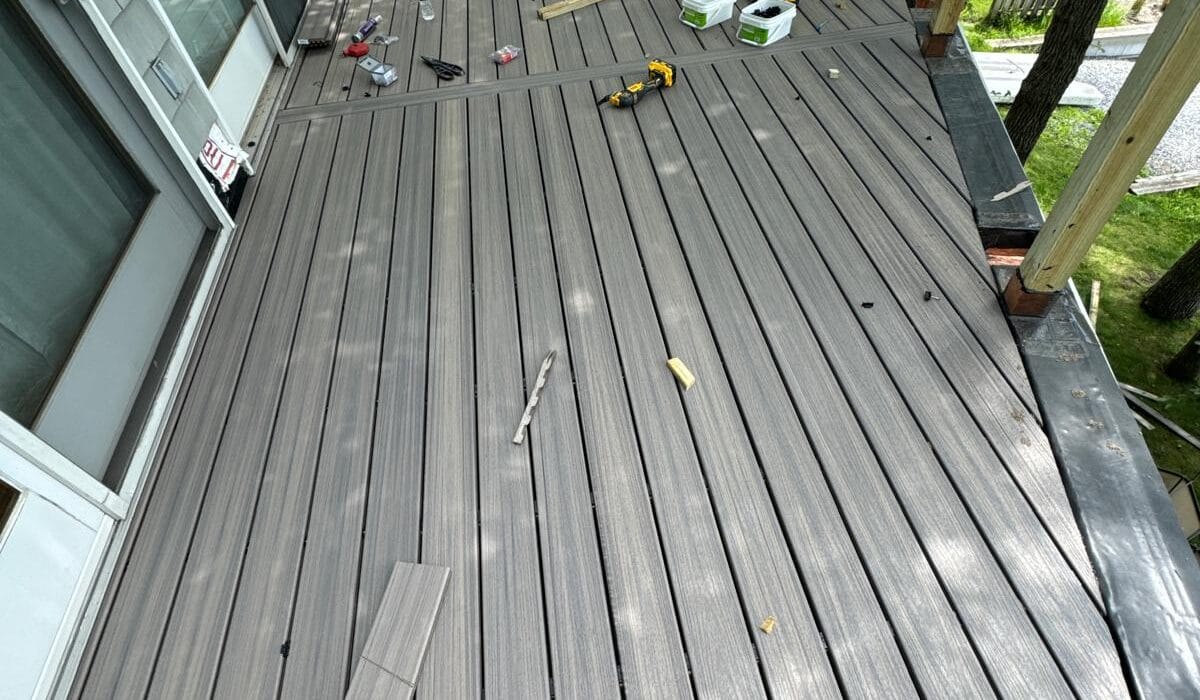
Deck replacement in Montauk should begin with a close look at the deck you have now. Sun, rain, wind, and exposure at your particular property can affect its condition, but faded boards do not always mean the structure has failed. The important questions are whether the deck remains sound, whether repairs would address its problems, and whether its layout still works for your household.
A new deck can change how you use the space outside your home. It can give you a clearer path to the yard, room for the furniture you actually own, or stairs in a more convenient place. Those choices deserve as much thought as the color of the boards. Start by identifying what frustrates you about the current deck, then ask a contractor to assess its condition.
Notice Problems That Change How the Deck Feels
Some warning signs appear while you use the deck. A board may give underfoot. A step may shift as you climb it. A railing may move when you rest a hand on it. Other signs include boards that repeatedly loosen, visible decay, or areas that stay wet long after nearby surfaces dry.
Write down where you notice each problem. Photos can also help you show a contractor what has changed over time. Do not keep using a deck that feels unstable while you wait for an assessment.
The surface cannot tell the whole story. A contractor should also examine accessible framing, supports, stairs, railings, and connections. If damage extends through several parts of the structure, replacing only the visible boards may leave the underlying problem in place.
If the damage is limited, ask about deck repair. A sound deck with a few damaged components may need much less work than a full replacement.
Decide What the New Deck Should Do
The best time to rethink a deck is before demolition begins. Stand inside the room that opens onto it and imagine stepping outside with a tray, a chair, or a group of guests. Is the doorway easy to reach? Can people pass one another? Do the stairs lead where people naturally want to go?
Measure the furniture you plan to use. A deck that looks spacious when empty can feel cramped after you add a table and chairs. Leave room for people to walk around them. If the deck serves as a route to the yard, keep that path clear in the design.
Think about how often you use the property, too. A household that spends every week in Montauk may have different priorities from one that visits at certain times of year. Your preferred maintenance routine and the way you use the outdoor space should guide the design.
Avoid adding features simply because they appear in a photograph. Each addition needs space, a suitable design, and a place in the budget. Explain what you want to do outdoors, then work with the contractor on a layout that supports it.
Consider Exposure at Your Property
Montauk properties do not all face the same conditions. A deck in a sheltered yard may experience different exposure from one in an open location. During the site visit, discuss sun, shade, wind, and where rainwater goes after a storm. If your property has salt air exposure, mention it when reviewing materials and fastening details.
Water deserves particular attention. Look for places where leaves gather or moisture sits against the house. Notice whether the ground under the deck stays damp. Tell the contractor about leaks or damage near the door that leads outside. The new design should address relevant site problems where the deck work can do so.
Ask how the proposed materials suit your setting. Products within the same broad category can differ in their installation instructions and care needs. The contractor should identify the products in the estimate so you can read the manufacturer’s guidance yourself.
Review More Than the Surface Boards
Deck boards draw the eye, but a replacement involves a complete structure. Ask what will support the new surface. Discuss the railing design and how the stairs will meet the yard. If the deck attaches to the house, ask how the contractor will assess and plan that connection.
The International Code Council explains why an attached deck’s connection to the house is an important safety detail. Its article on deck ledger connections provides background on this issue. Your contractor should determine the appropriate design for your home and applicable requirements. www.iccsafe.org
Do not assume that existing supports or framing can stay simply because they are out of sight. Equally, do not assume every part must go. Ask the contractor to identify what they can assess before removal and what they may only be able to confirm afterward.
Choose Materials You Will Want to Care For
Wood, composite, and other decking products offer different looks and care routines. If you like wood, ask how the specific product should be cleaned and finished. If you prefer composite, compare actual product lines rather than assuming every board performs or looks alike.
Hold samples outdoors near your home if you can. A color viewed inside a showroom may look different in direct sun or beside your siding. Feel the surface and consider how it fits the style of the house. Then review the product’s written care instructions and warranty terms.
Think about the entire deck when making these choices. Railings can affect both the view and the way the space feels. Stair materials influence its appearance from the yard. Ask the contractor to show how the selected parts work together in the proposed design.
For an overview of the company’s available work, see Golden Hands Construction’s decking services and deck replacement service.
Ask What the Estimate Includes
A deck replacement estimate should help you understand the work, not simply give you a total. Ask whether it covers removal and disposal of the old deck. Check what it says about framing, boards, stairs, railings, and finishing details.
Discuss access to the work area. Landscaping, narrow paths, and the location of the deck can affect how materials reach the site. If an estimate assumes that part of the existing structure will remain, ask which part and why.
Hidden damage can also change a project after work begins. Ask how the contractor will show you anything discovered during removal. Request a description and price for added work before authorizing it. That process lets you make an informed decision instead of meeting an unexpected charge at the end.
You may also need to confirm permits or other approvals for your particular project. Ask who will check the requirements and how that step affects the schedule. The applicable process depends on the property and proposed work.
Give the Project a Realistic Schedule
If you want to use the deck during a particular visit or season, share that goal early. The project may involve design decisions, product ordering, approvals, removal, construction, and a final review. Weather and conditions found beneath the old deck can affect timing.
Ask the contractor which choices you need to make before materials can be ordered. Agree on how you will receive updates if the scope or schedule changes. A clear conversation at the start makes it easier to plan around the period when the deck is unavailable.
If you will not be at the property throughout the work, discuss how the contractor will share photos or questions that need your decision. Identify the best way to reach you and decide who can approve any changes.
Know When Cleaning Is Enough
A deck that looks tired may still have a sound structure. Dirt, discoloration, and an aging finish call for a different discussion from moving stairs or damaged supports. After an inspection, you may find that deck power washing or deck staining fits the condition of the deck.
Cleaning methods must suit the existing material. Heavy pressure can damage some surfaces. Before choosing a treatment, identify the boards and follow the manufacturer’s care instructions. If you do not know what material you have, ask a professional to assess it first.
A cosmetic improvement can make a usable deck more pleasant. It cannot correct structural damage. Keep those two goals separate when comparing proposals.
Inspect and Maintain the Finished Deck
Once you can use the new deck, keep its care instructions somewhere easy to find. Sweep debris away from corners and around the house connection. Clean spills with a product suitable for your decking. Follow the manufacturer’s guidance for any finish or periodic maintenance.
Look over the stairs, railings, and walking surface from time to time. If something starts to move or changes underfoot, ask the contractor to examine it. Regular checks are especially useful after a period when you have not used the property.
The result should be a deck that suits your home and the way you spend time outside. A clear design, an explained scope of work, and a practical care plan will help you get more from the project.
Discuss Deck Replacement in Montauk
If your deck has recurring problems or no longer suits your plans, Golden Hands Construction can assess it and discuss the available work. Share what concerns you about the current structure and what you want from the new space. Use the contact page or call (631) 877-8338 to request an estimate for deck replacement in Montauk.


