

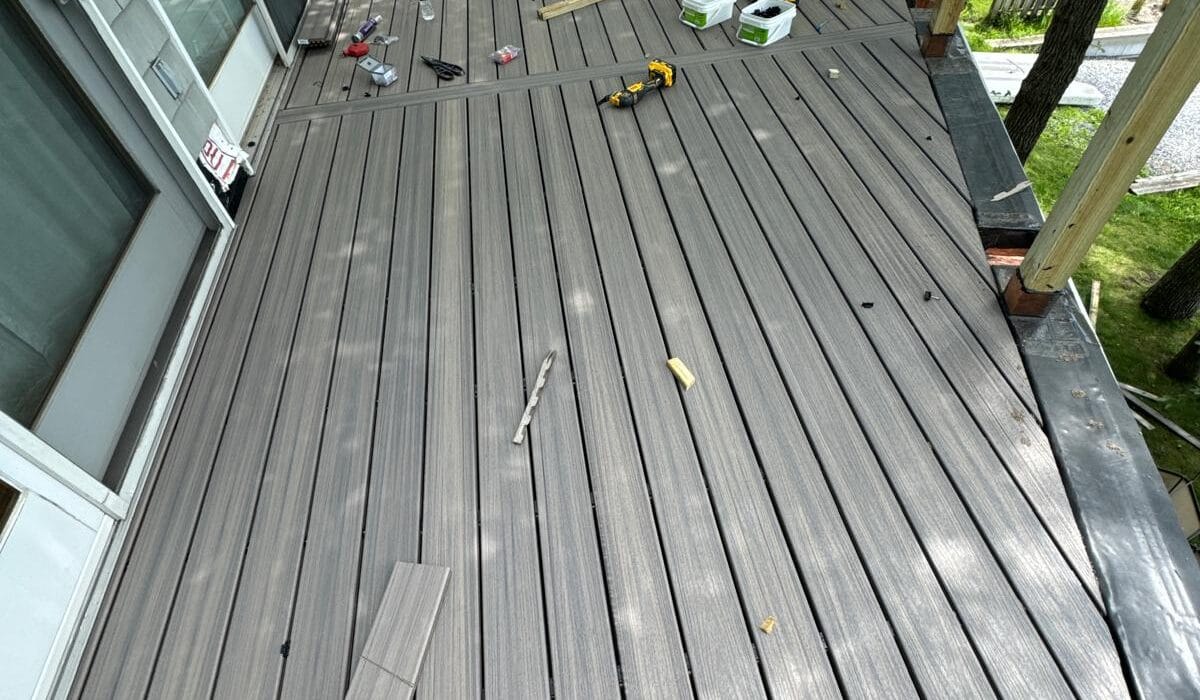
Deck replacement in Wainscott starts with a practical question: does your current deck still support the way you want to use your outdoor space? If boards keep deteriorating, the stairs feel unsteady, or the layout no longer works, a new deck may offer a better answer than another round of repairs. A replacement also gives you the chance to rethink where people sit, how they move through the yard, and how much upkeep you want to take on.
Before choosing a design, find out what condition the existing deck is in. Surface wear tells only part of the story. The framing, posts, stairs, railings, and connection to the house all deserve attention. A sound inspection can help you decide whether to keep and repair your deck or plan a full replacement.
Start With the Way You Use Your Yard
A deck should make the outdoor space easier to enjoy. Yet many homeowners inherit a layout that suited a previous owner’s needs. The stairs may end far from the path through the yard. A grill may crowd the doorway. Furniture may leave no clear route across the deck.
Think through a normal day before you sketch a new design. Where do you step outside? Do you carry food from the kitchen to an outdoor table? Where do guests gather? If children or pets use the yard, how will they move between the house and lawn?
You may decide that the new deck should stay the same size. You may also find that a different shape makes better use of the available space. Discuss these ideas before work begins. A change in size, height, or stair location can affect the scope of construction and the approvals the project needs.
For a broader look at the available work, see Golden Hands Construction’s decking services.
Look Beyond the Deck Boards
Worn boards are easy to notice. Hidden damage takes more effort to find. A contractor should check the parts that carry the deck’s weight and keep it stable. These include the framing, supports, and connections.
Notice how the deck feels underfoot. Does one area bounce more than the rest? Do the stairs shift when you use them? Can you move a railing with light pressure? Does water collect near the house after rain? These observations give the contractor useful starting points, though an inspection must determine the cause.
Stay off a deck that shows serious movement or visible structural damage until a qualified professional assesses it. Do not assume that replacing the surface boards will correct a problem underneath.
The connection between an attached deck and the house needs particular care. The International Code Council explains why proper deck ledger connections matter to deck safety. Its guide to deck connections offers useful background for homeowners. ICC
When a Repair Makes More Sense
A new deck is not the answer to every problem. If the framing remains sound and damage affects a limited area, targeted repairs may extend the deck’s useful life. Replacing a few boards or correcting a specific railing issue can be more appropriate than removing the entire structure.
Cleaning can also improve a deck that looks worn but remains in good condition. Dirt and surface discoloration do not, by themselves, prove that the deck needs replacement. If the structure checks out, ask whether deck power washing suits your deck material. A wood deck may also benefit from an appropriate deck staining plan.
The key is to match the work to the cause of the problem. Cleaning cannot strengthen a weak frame. Stain cannot secure a loose stair. New boards will not solve widespread damage below them. Ask your contractor to explain what they found and why they recommend a repair or replacement.
When Replacement May Be the Better Choice
Consider replacement when damage affects several parts of the deck. A combination of failing boards, unstable railings, deteriorated framing, and troublesome stairs may require more than isolated fixes. The same question arises when you keep paying for repairs but the deck continues to develop new problems.
Replacement can also make sense when the existing deck is sound enough to stand but poorly suited to your home. Perhaps you want a wider route from the back door. Perhaps the deck blocks access to a part of the yard. A new layout can address those daily frustrations.
Ask for a clear explanation of the proposed work. Will the contractor remove the entire deck? Does the estimate include new framing, stairs, and railings? What happens if removal reveals damage that was hidden during the first inspection? Answers to these questions will help you understand the project before you commit.
Golden Hands Construction describes its broader deck replacement service on its website.
Plan for Wainscott Site Conditions
Every property has its own constraints. The deck’s location, surrounding landscaping, ground conditions, and access for materials can all affect the work. Sun exposure and moisture can influence how the finished space feels and how much care its surface needs.
For some Wainscott properties, exposure to coastal conditions may also be relevant. Discuss the conditions at your actual site with the contractor instead of choosing materials based on a general description of the area. Ask how the proposed products and installation details suit that setting.
Think about the space beneath and around the deck as well. Water should have a sensible path away from the house. Plants should not make it impossible to inspect the structure later. If the existing deck has recurring moisture problems, raise them during the planning stage. A new surface alone will not correct every site issue.
Compare Materials With Maintenance in Mind
Decking materials differ in appearance, cost, and care requirements. Wood can provide a familiar look and a choice of finishes. It also needs ongoing attention. The care schedule depends on the product and its exposure.
Composite decking offers another range of colors and surface textures. Its care needs differ from wood, but no outdoor material is completely free of cleaning or inspection. Compare the specific products in your estimate. Look at their care instructions and warranty terms rather than relying on a broad claim about a material category.
The surface is only part of the project. Ask about the proposed railing, stairs, framing, and fasteners too. A written estimate should identify the major materials so you know what the contractor intends to install. If you receive more than one bid, check whether each covers the same work.
Check the Approval Process Early
Before setting a construction date, find out which reviews or permits your particular project requires. The answer may depend on the deck’s design and property details. The East Hampton Town Building Department provides information about its building process and can direct property owners to applicable requirements. Your contractor should also explain how approvals fit into the proposed schedule. East Hampton Town, NY
Do not assume that replacing a deck exactly as it stands follows the same process as changing its size or layout. Confirm the requirements for your property before work begins. That step can prevent avoidable delays after you have already chosen materials.
What to Expect During the Project
A useful first meeting covers both the condition of the old deck and your goals for the new one. Show the contractor the areas that concern you. Explain what you want to keep and what you want to change. If you have photos of a layout you like, use them to show the arrangement you mean.
After the inspection, review the written scope. It should make clear which existing parts the crew will remove, what the new work includes, and how the contractor will handle debris. Ask how they will report hidden damage discovered during removal. You should understand any added work and cost before it proceeds.
Construction then moves from removal and site preparation to the new structure, surface, railings, and stairs. The exact sequence depends on the approved design. At the end, walk through the finished deck with the contractor. Check that you understand how to care for its materials and whom to contact if you have a question later.
Keep the Finished Deck Useful
A new deck still needs routine attention. Sweep away leaves and debris, especially where they gather near the house or railings. Clean the surface according to the material manufacturer’s instructions. Some cleaning methods can damage a finish or surface, so check before using a strong product or high pressure.
Make a habit of looking at the stairs and railings. If a connection loosens or an area changes underfoot, have someone assess it. Small observations can help you address a concern before it disrupts how you use the space.
Most of all, keep the original purpose of the project in mind. A good replacement should give you a comfortable route from the house, enough room for the activities you chose, and a layout that feels natural in your yard.
Request a Deck Replacement Estimate in Wainscott
If you are unsure whether your deck needs repairs or a full replacement, start with an inspection and a clear discussion of your options. Golden Hands Construction can review your deck and the changes you have in mind. Use its contact page to request an estimate for deck replacement in Wainscott, or call (631) 877-8338.


