

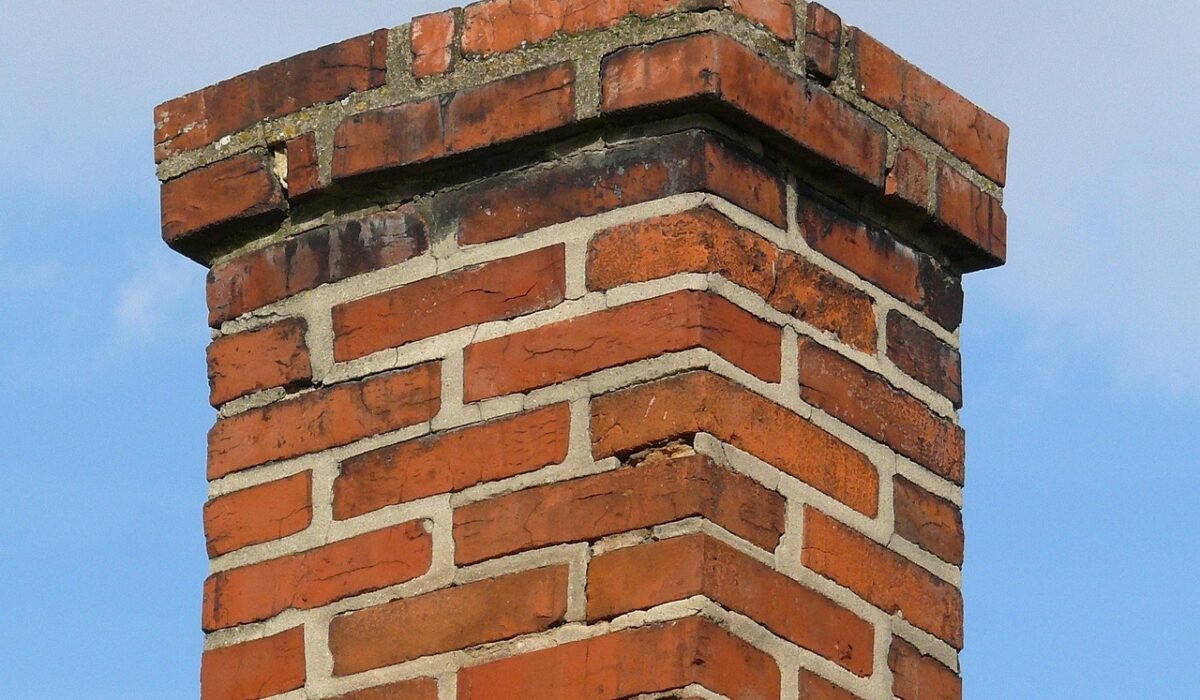
Chimney leaks on Long Island can begin at the top of the chimney, within damaged masonry, or where the chimney meets the roof. That is why replacing one part without checking the rest may leave the problem unresolved. A chimney cap, crown, and flashing protect different areas. Finding the route water takes helps determine which repair your home needs.
If you notice water in the fireplace or a stain beside the chimney, record when it appears. The location matters, but it does not prove where water entered. For homeowners in Suffolk County, Nassau County, and the Hamptons, a useful assessment should consider the chimney and its roof connection together.
Three Chimney Parts with Different Jobs
The cap sits above the flue opening and helps keep rain from entering that opening. On a masonry chimney, the crown covers the top of the masonry around the flue. Its shape helps shed water away from the chimney structure. Flashing forms the water-shedding connection where the chimney passes through the roof.
These parts work together, but they do not replace one another. A sound cap does not repair a cracked crown. A new crown does not fix a gap at the roof connection. The Chimney Safety Institute of America’s guidance on water damage discusses caps, crowns, masonry, and flashing as separate areas that can need attention. Understanding those roles makes a repair proposal easier to assess.
What a Chimney Cap Can and Cannot Fix
An absent or damaged cap can leave the flue opening exposed to rain. A contractor should check the cap’s condition, attachment, and suitability for the chimney system. The installation also needs to preserve the venting path. Covering an opening with an improvised lid is not an appropriate repair.
A cap can help address water entering through the opening, but it cannot stop every chimney leak. Rain may still enter through damaged masonry or the roof connection. If the inspection identifies a cap problem, review chimney cap services on Long Island and ask how the proposed cap suits your existing system. Have the other possible entry points assessed as well.
When the Crown Needs Attention
A masonry chimney crown sits beneath the cap and around the projecting flue. Cracks and deterioration can interfere with its ability to shed water. Some damage may be difficult to see from the ground, especially on a tall chimney. A close inspection can establish the condition of the surface and the junctions around it.
The repair depends on what the contractor finds. Limited damage may allow a suitable repair, while extensive deterioration may call for rebuilding the crown. Ask for photographs and an explanation of why the proposed method fits its condition. Golden Hands Construction provides chimney crown services. Avoid choosing a surface coating solely because it is the quickest option; first establish whether the underlying crown remains sound.
Why Flashing Deserves a Separate Check
Flashing manages water where the chimney interrupts the roof surface. Damage or separation at that connection can let runoff reach areas beneath the roofing. A stain near the chimney is a reason to examine this junction, but the stain alone cannot identify the failed part.
Ask the contractor to review the flashing along with the nearby roof covering and any old patches. If a previous sealant repair has failed, another application may leave the same underlying defect in place. A proposal for chimney flashing work should describe the connection that needs repair and how the work will restore water drainage. Clarify whether the contractor needs to remove surrounding roofing to complete or verify the repair.
Masonry and Chase Covers Can Add Other Leak Paths
The cap, crown, and flashing are important, but the inspection should not stop there. Damaged mortar joints and deteriorating masonry can create additional routes for moisture. A water-repellent treatment is not a substitute for correcting open joints or damaged construction. Any treatment should suit the materials and the condition found during the assessment.
Some homes have a framed chimney enclosure, often called a chase, rather than an exposed masonry chimney. A metal chase cover protects its top. That cover has a different role and construction from a masonry crown. Before comparing estimates, make sure the contractor identifies your chimney type and uses the correct name for the part that needs work.
Give the Inspector a Clear Moisture History
Write down whether water appears inside the fireplace, beside the chimney on an upper floor, or in an accessible attic. Note whether the problem follows every rainfall or only certain storms. Include previous cap, masonry, roof, and flashing repairs. Photos taken before cleaning up can show the original moisture pattern.
Do not climb onto the roof or reach into the flue to investigate. Gather what you can observe safely indoors and from the ground. A chimney inspection can help establish which areas need closer assessment. If the inspector cannot examine a concealed area, ask how that limit affects the conclusion and whether further access is necessary.
Compare the Scope Before Comparing the Price
Two estimates may differ because they cover different work. One may replace a cap, while another includes crown repairs or rebuilding the flashing connection. Ask each contractor to identify the suspected water entry point, the evidence supporting that finding, and the materials included in the repair.
Costs depend on access, chimney height, system type, and the extent of deterioration. Concealed damage can also change the work required. Clarify how the contractor will handle any additional findings and whether interior restoration forms part of the estimate. Keep dated photos and the final repair scope so you can compare conditions after later rainfall.
Address Active Leaks Before Restoring the Finish
Contain small drips only where you can do so safely, and protect nearby belongings. Stay clear of a sagging ceiling or water near electrical fixtures. Do not assume that a wet fireplace is safe to use; have concerns about the chimney system assessed before operating it.
The source needs correction before repainting stains or replacing damaged finishes. Dry-looking surfaces can hide moisture behind them, so ask whether affected materials need further assessment. When the repair is complete, monitor the area during later rain and report any renewed dampness. A dry day immediately after the work does not demonstrate how the repair performs in wet weather.
Discuss Chimney Leaks on Long Island
Chimney leaks on Long Island need a repair matched to the route water takes into the home. Knowing the difference between a cap, crown, flashing, and chase cover helps you ask clearer questions and understand the proposed work. For chimney water concerns in Suffolk County, Nassau County, or the Hamptons, contact Golden Hands Construction at (631) 877-8338 to discuss an assessment.


