

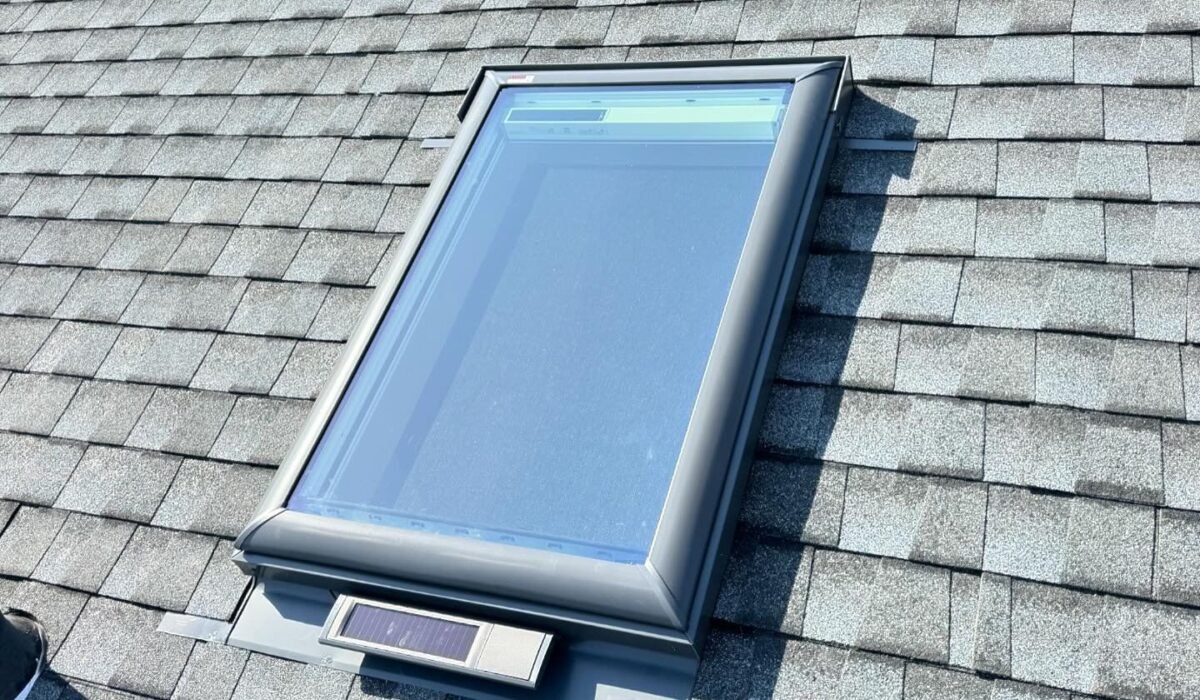
Skylight condensation or a leak on Long Island can leave homeowners facing the same problem—a wet surface above their heads. Yet the cause may be very different. Moisture on the room-facing glass can form when humid indoor air meets a cold surface. Water entering through the roof or skylight assembly needs a different repair. The first step is to record where the water appears and when it happens, then arrange an assessment if moisture keeps returning.
A drip alone cannot tell you which problem you have. Rain-related leaks, surface condensation, and moisture trapped between glass panes need separate checks. Understanding those differences can help you explain the issue clearly and avoid approving work that does not address the source.
Why Moisture Can Form Inside a Skylight
Condensation forms when water vapor turns into liquid on a surface cool enough for that to happen. A skylight can show this effect when the indoor air contains enough moisture and the glass is cold. Cooking, showers, and drying clothes indoors can add moisture to the air. The amount of condensation depends on indoor conditions and the temperature of the surface.
In its guidance on skylight condensation, VELUX explains how excess indoor moisture contributes to the problem. This means that water on the inside of the glass does not automatically prove that rain has entered through the roof. It also does not mean you should ignore repeated dripping or damage to nearby finishes.
Notice Whether Water Appears During Rain
The timing of the problem gives an inspector useful evidence. Write down whether dripping starts during rainfall, follows a storm, or appears on dry mornings. Note whether it follows showers or cooking. Take photos before wiping up accessible water, and record whether the moisture sits on the glass or comes from an edge of the opening.
Water that returns during rain raises concern about outside water entry. Droplets across the interior glass during dry, cold weather may point toward condensation. These are clues rather than a diagnosis. More than one problem can occur at the same time, and water may travel before it reaches the spot where you see it.
Separate Surface Droplets from Fog Between Panes
Moisture on the accessible, room-facing glass differs from fog that appears trapped inside a sealed glass unit. If a safe, gentle wipe removes the droplets, you have observed surface moisture. If cloudiness remains between the panes, the glazing may need assessment for seal failure. Do not assume that this means the roof flashing leaks.
Avoid ladders or makeshift platforms to reach a high skylight. Use photographs from the floor if the glass is out of reach. Persistent cloudiness, visible cracks, or recurring water around the frame are reasons to have the unit checked. The assessment should identify which component has a problem before deciding what to replace.
Treat Ceiling Stains as Evidence to Investigate
A brown mark beside a skylight shows that moisture has affected the finish. It does not identify the source by itself. Water may enter near the skylight, come from the surrounding roof, or collect because of condensation. Painting the mark before resolving the source makes it harder to tell whether the problem has stopped.
Ask the contractor to examine the skylight and the nearby roof together. Golden Hands Construction provides skylight leak services on Long Island. When describing the issue, share its timing, photos, and any previous repair history. This information helps the assessment focus on the conditions under which the water appears.
Check Indoor Moisture Before Assuming Replacement Is Needed
If the findings point to surface condensation, review how your home handles indoor moisture. Use bathroom and kitchen exhaust systems that vent outdoors. Check whether a humidifier is adding more moisture than the home needs. A humidity meter can help you track changes, but its reading alone cannot rule out a leak.
Follow the skylight manufacturer’s care instructions and seek advice if condensation continues. Replacing the skylight may not solve a moisture problem that starts elsewhere in the home. At the same time, improving ventilation will not repair damaged roof flashing. The response should match the cause found during the assessment.
Have the Roof Connection Examined When Rain Enters
Flashing helps direct water around the skylight and back onto the roof surface. A contractor should check how that connection works with the surrounding roof covering. Previous patches, damaged materials, and the condition of the skylight itself can all affect the proposed repair.
Review the available roof flashing services if an assessment identifies a problem at the roof connection. Ask what the contractor found and why the proposed work addresses it. Avoid treating another layer of sealant as a complete answer without an explanation of the source and the condition beneath the patch.
Respond Promptly to Wet Materials
Protect belongings beneath the wet area and contain small drips only where you can do so safely. Keep clear of water near electrical fixtures or a sagging ceiling. Do not climb onto a wet roof to inspect the skylight. Active water entry needs attention even if it stops when the weather changes.
The EPA’s guide to moisture and mold recommends fixing the moisture source and drying wet materials within 24 to 48 hours to help prevent mold growth. Visible drying does not prove that concealed insulation or other materials are dry. Ask whether the affected area needs further investigation before restoring the finish.
Choose Repairs Based on the Findings
A repair may address a specific roof connection or damaged component. Replacement may make sense when the unit itself has failed, several parts have deteriorated, or a suitable repair is unavailable. The choice should follow the inspection rather than the size of the ceiling stain alone.
Ask for a written scope that identifies the suspected source, the work included, and any limits to the assessment. Repair costs depend on access, the skylight model, the roof material, and any concealed damage. Keep condensation control, roof repairs, and interior restoration clear in the estimate so you understand what each part of the work covers.
Get Help with Skylight Moisture on Long Island
If you are unsure whether you have skylight condensation or a leak on Long Island, start with the evidence. Note the weather, photograph the moisture, and explain where it first appears. For skylight concerns in Suffolk County, Nassau County, or the Hamptons, contact Golden Hands Construction at (631) 877-8338 to discuss an assessment and the next steps for your home.


