

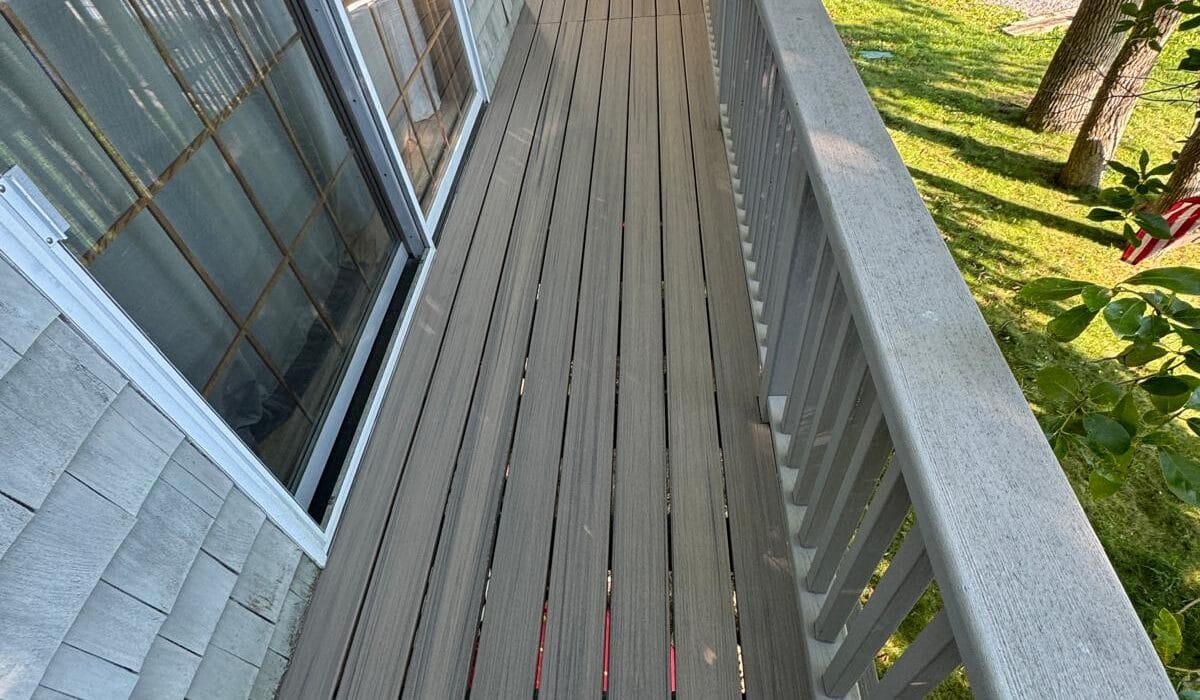
Deck replacement in Sag Harbor begins with an honest look at what your current deck can still do. You may love its location but dislike the narrow stairs. You may have enough room to sit, yet worry about boards that move underfoot. Or you may want to use the yard differently than you did when the deck was built.
A replacement lets you address those issues together. First, though, have the existing structure assessed. The condition of its framing, supports, railings, and connection to the house determines whether you need a new deck or a smaller project.
What Do You Want to Keep?
Before planning a new deck, identify what works about the old one. Its height may offer a useful view of the yard. The doorway may lead naturally to an outdoor dining area. A section that catches afternoon shade may be your favorite place to sit.
Tell the contractor about those features. They can become the starting points for a new layout. Replacement does not require you to abandon every good decision in the original design.
Now identify the frustrations. Perhaps guests crowd the doorway. Perhaps the stairs end too close to planting. Maybe a railing interrupts the view from a window. Specific observations make the design discussion more useful than asking for a deck that is simply “bigger” or “newer.”
How Much of the Old Deck Has Damage?
A contractor needs to look below the walking surface before recommending the scope of work. Loose boards may be a limited repair issue. Movement in the stairs, railings, or supporting structure calls for a closer assessment.
Show the contractor where you have noticed changes. Does a board dip when you step on it? Has a railing started to wobble? Has the same area needed repairs more than once? Pointing out a pattern can help the inspection focus on the cause.
Keep people away from an area that feels unstable until a qualified professional examines it. If damage affects only a small part of an otherwise sound structure, ask about deck repair. If several structural parts have problems, discuss what full replacement would involve.
Who Will Use the Finished Space?
A deck that suits two people having coffee may not suit frequent family meals. Consider the number of people who normally use the space and what they do there. Think about everyday use first. Occasional gatherings can come second.
Measure the furniture you intend to keep. Include room to move a chair back and walk around it. Make sure the route from the door to the stairs stays open. If children or pets use the yard, tell the contractor how they move between the spaces.
Avoid deciding the deck’s dimensions from a photograph alone. A design that looks right at another house may feel cramped or oversized at yours. Your furniture, doors, and yard should guide its size.
Should the Stairs Move?
Stairs can determine whether a deck feels connected to the yard or separate from it. Watch where people naturally walk when they leave your house. Then compare that route with the location of the existing stairs.
Moving the stairs may make the yard easier to reach. It may also free space for a table or chairs. Ask the contractor to show how the proposed stairway relates to the ground below it. Discuss any slope, path, or planting that affects where people will arrive.
Treat the railing as part of this conversation. It needs to suit the deck’s design and the way people use its edges and stairs. Review its material and appearance before the proposal is final.
Which Materials Fit Your Plans?
Wood and manufactured decking products offer different appearances and care needs. Ask to see samples of the specific products proposed for your job. Compare them outside near your home, where sunlight and neighboring materials can change how colors appear.
Read the manufacturer’s care instructions. If you choose wood, find out what finishing and routine maintenance the selected product needs. If you consider composite or another product, ask how to clean it and what its warranty covers. Broad claims about a material are less useful than the details for the actual board.
Consider the railings and stairs alongside the surface. A deck is a group of connected components, not just a color choice. Golden Hands Construction outlines its deck replacement service and wider decking services on its website.
What Happens Where the Deck Meets the Home?
If the deck attaches to your house, ask the contractor to explain how they will assess that connection. Mention any past moisture concerns near the door or adjacent wall. Some conditions may become clearer when the crew removes the old structure.
The International Code Council describes why the connection between a deck and the house deserves attention. The correct solution depends on the proposed deck and the requirements that apply to your property. www.iccsafe.org
Ask how water will move around the new deck. If leaves collect against the house or rainwater stays beneath the old structure, describe those conditions during the site visit. The contractor can explain which concerns the deck project can address.
How Will the Project Affect Your Yard?
Deck work requires space for materials, removal, and construction. Walk the access route with the contractor. Show any gates, planting, or surfaces that need attention while the crew works.
Ask where materials and removed debris will go. If you plan to use part of the yard during construction, discuss whether that is practical. The proposal should also make clear whether disposal and cleanup are included.
An inspection before demolition cannot reveal every hidden condition. Agree on how the contractor will document anything unexpected after removal. You should receive an explanation and price for additional work before you approve it.
What Should the Estimate Tell You?
A written estimate should describe the deck you will get. Look for its planned dimensions, key materials, framing scope, stairs, railings, demolition, and cleanup. If the contractor intends to reuse any existing part, ask which part and why.
Find out who will determine whether the work needs permits or other approvals. Changes to size or layout can affect the process. Ask how design, material ordering, and any required review fit into the schedule.
When comparing estimates, read their scopes before comparing prices. Two totals cannot tell you whether both contractors plan to remove the same parts or install the same materials.
Could You Keep the Current Deck?
A deck with sound framing and a dated appearance may need less work than you expect. Depending on its condition and material, deck power washing may help clean the surface. Deck staining may also suit some wood decks.
Neither service can correct structural movement or create a better layout. Ask a contractor to separate appearance concerns from safety and design concerns. That distinction will help you choose a repair, a maintenance project, or a replacement.
How Will You Care for the New Deck?
Ask for care information before the project ends. Keep the product names and manufacturer instructions. Sweep leaves and debris away, especially near the house and stairs. Use cleaning methods suited to the materials the crew installed.
During normal use, notice whether a stair, board, or railing changes. Have a contractor assess any new movement. A quick check after a period away from the property can also help you spot concerns before you host guests.
A well-planned replacement should feel natural to use. It should give people room to move, connect sensibly to the yard, and fit the care routine you are willing to maintain.
Discuss Your Sag Harbor Deck
Golden Hands Construction can assess your existing deck and talk through the changes you want. Explain what you like, what concerns you, and how you plan to use the finished space. To request an estimate for deck replacement in Sag Harbor, visit the contact page or call (631) 877-8338.


