

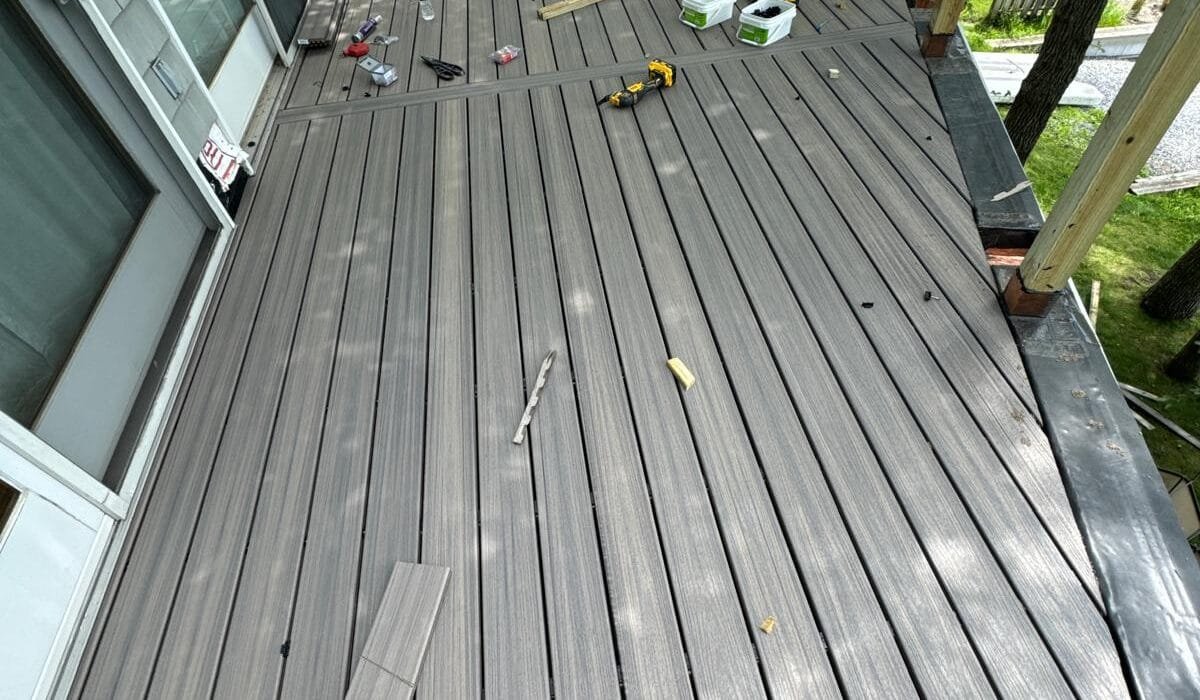
Deck replacement in Speonk gives you a chance to fix the things that make your current outdoor space difficult to use. A narrow landing, awkward steps, or a surface that needs constant repairs can turn a useful deck into a daily frustration. Before choosing a new design, find out which problems come from the deck’s structure and which come from its layout.
The answer may be a full replacement. It may also be a smaller repair. A careful assessment helps you avoid rebuilding a sound deck for a surface issue or covering damaged framing with new boards.
Look at the Deck From the Ground Up
Start beneath the deck if you can view that area safely. Look for visible damage to posts, framing, and the parts that connect the structure. Then examine the stairs and railings from the deck itself. Tell a contractor about any movement, soft spots, or changes you have noticed.
Do not try to diagnose a structural problem by appearance alone. A board that looks worn may sit on sound framing. Another board may look fine while the structure below it needs attention. Ask the contractor to explain what they can see during the initial inspection and what removal might reveal later.
If a railing or stairway feels unstable, keep people away from the affected area until a qualified professional assesses it. A deck repair may resolve a limited problem. Widespread damage can call for a different scope of work.
Design for the Space Beside the House
The best deck size is not necessarily the largest one that fits. Think about what the deck should leave open. You may want room for a garden, a lawn, or a clear walking route around the house. A deck that occupies too much of the yard can make those areas harder to use.
Stand at the back door and look outward. Where should someone step first? Where would a table make sense? How much room should remain between seating and the stairs? These questions can guide a simple layout that feels comfortable.
Pay attention to nearby windows and doors. Make sure the proposed railing and furniture placement will not create an unwanted obstruction. The view from inside your home is part of the design, even though the work takes place outdoors.
Put the Stairs Where They Help
Stair placement determines how people enter the yard. If the old deck forces everyone to walk around a table before going downstairs, mention that during the design visit. Moving the stairs may improve the space more than adding extra square footage.
Consider what lies at the bottom of the stairs. The route should make sense for the way you use the yard. Discuss any slope, planting, or existing path that affects the landing area. Ask the contractor to show the proposed stair location on the plan before you approve it.
Railings deserve the same attention. Review their appearance, materials, and placement. If the existing railing has loosened, show the contractor where you noticed movement. The new railing needs a design and installation suited to the deck structure.
Choose Boards for Use, Not Just Color
A deck board sample can look excellent on a desk. Outside, it will sit in sun, shade, rain, and everyday foot traffic. Ask for the name of each product you are considering. Read its care instructions and compare how it looks beside your home.
Wood offers a familiar appearance and can take different finishes, depending on the product. It also needs ongoing care. Composite and other manufactured boards offer different textures, colors, and maintenance routines. No single choice suits every homeowner.
Think about how you use the surface. If people enter the house from the deck, how will you clean tracked dirt? If you move furniture often, what care does the manufacturer recommend? Discuss your expectations with the contractor before deciding.
The finish material is only one item in the project. Review the proposed framing, fasteners, stairs, and railing as part of the same estimate. Golden Hands Construction describes its broader deck replacement services and decking work on its site.
Ask About the House Connection
An attached deck meets the home at an important point. If you see staining, dampness, or deterioration near that area, tell the contractor. Ask how the old connection will be assessed and what the replacement design calls for.
The International Code Council explains the role of a properly planned deck connection to the house. The details for your deck depend on its construction and the requirements that apply to the project. www.iccsafe.org
Also ask how the design will let water move away from vulnerable areas. If rain collects near the door or debris piles up between the deck and house, discuss it during the site visit. A replacement is an opportunity to examine the cause rather than repeat the same arrangement.
Know Which Parts the Crew Will Remove
“Replace the deck” can mean different things in different proposals. One contractor may plan to remove the whole structure. Another may propose keeping sound framing and replacing the boards and railings. Ask each contractor to put that scope in writing.
If a proposal keeps existing components, ask what inspection supports that decision. Find out how the contractor will handle damage discovered after removal begins. You should see the condition and understand the added cost before agreeing to more work.
Confirm whether the estimate includes taking away the old materials and cleaning the work area. Discuss where materials will be stored during construction. These details affect your use of the yard while the project is underway.
Consider Timing Before Demolition
Think about when you need access to the yard. If an event or a busy season matters to your household, mention it early. The full schedule may involve measurements, design choices, product availability, applicable approvals, removal, and construction.
Ask what decisions you need to make to keep the project moving. Delaying a railing or board selection can delay ordering. An unexpected condition beneath the old deck can also change the schedule, so ask how the contractor will communicate changes.
Do not treat a proposed start date as a complete project plan. Request an outline of the major stages and discuss when the deck will be unavailable. That information helps you plan around the work.
Read the Estimate as a Description of the Finished Deck
Price matters, but the written scope tells you what you will receive. Check the dimensions and layout. Look for the named decking, railing, and stair materials. Confirm whether the price covers demolition, disposal, framing, and cleanup.
Ask about any allowances or items that still need selection. Find out who will check whether the planned work needs permits or other approvals. A clear estimate should leave fewer decisions unresolved when construction begins.
If you compare proposals, compare the work each one describes. A lower figure may reflect a smaller scope or different materials. Ask questions until you understand the difference.
Decide Whether Replacement Is Necessary Now
If the inspection finds a stable structure, you may not need a new deck. Dirty boards could benefit from suitable deck power washing. Some wood surfaces may suit deck staining, depending on their condition and the product used.
Neither service fixes a weak railing, damaged framing, or an impractical layout. Tell the contractor which problems affect your use of the deck. That helps you weigh maintenance, repair, and replacement on their merits.
If you do replace the deck, ask for care instructions once the work ends. Keep the product information, sweep away debris, and check the stairs and railing during regular use. Contact the contractor if you notice movement or another new concern.
Talk About Your Speonk Deck Project
Golden Hands Construction can assess your current deck and discuss the changes you want to make. Bring up any recurring repairs, awkward access, or concerns about the structure during the first conversation. To request an estimate for deck replacement in Speonk, use the contact page or call (631) 877-8338.


